Dive leadership
Thinking beyond your own dive: diver qualifications, buddy teams, objectives, site conditions, gas and emergency procedures, before anyone enters the water.

CMAS Three-Star Diver · ★★★ · Hurghada
CMAS’s professional dive-leadership grade, the level at which a diver plans, organizes, briefs and guides certified recreational divers, manages rescue and emergencies, and can assist an active instructor. Built on real logged experience, developed toward a maximum depth of 40 meters, trained on the reefs and walls around Hurghada.
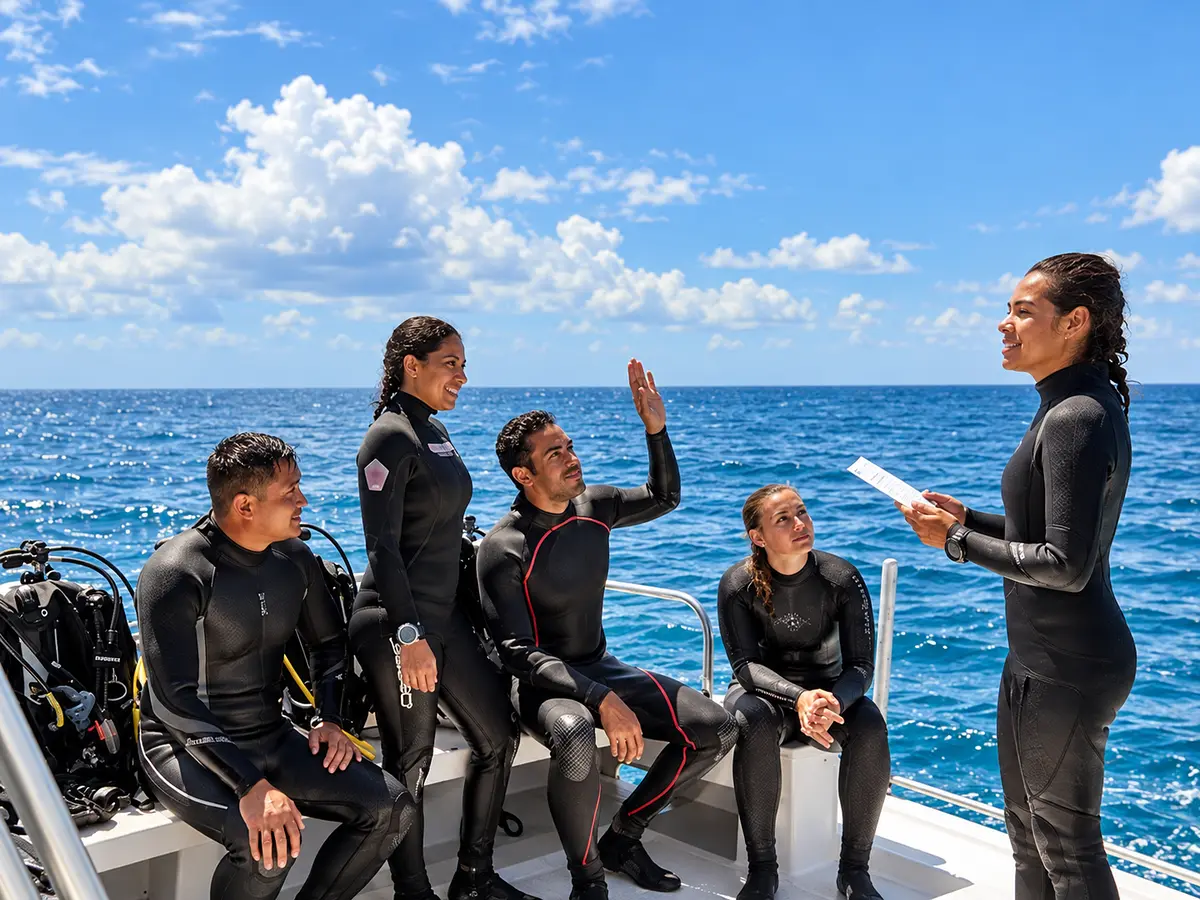
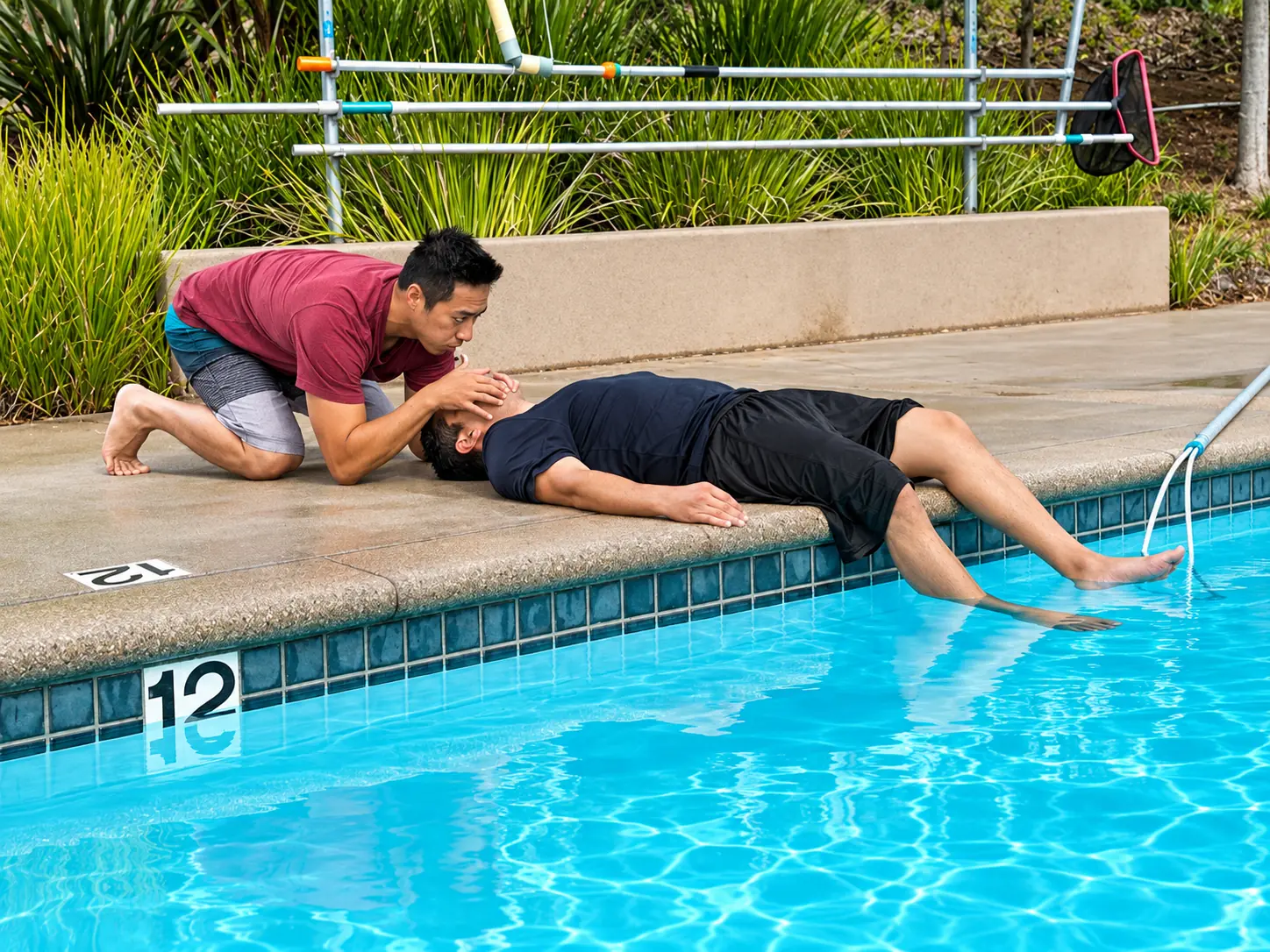
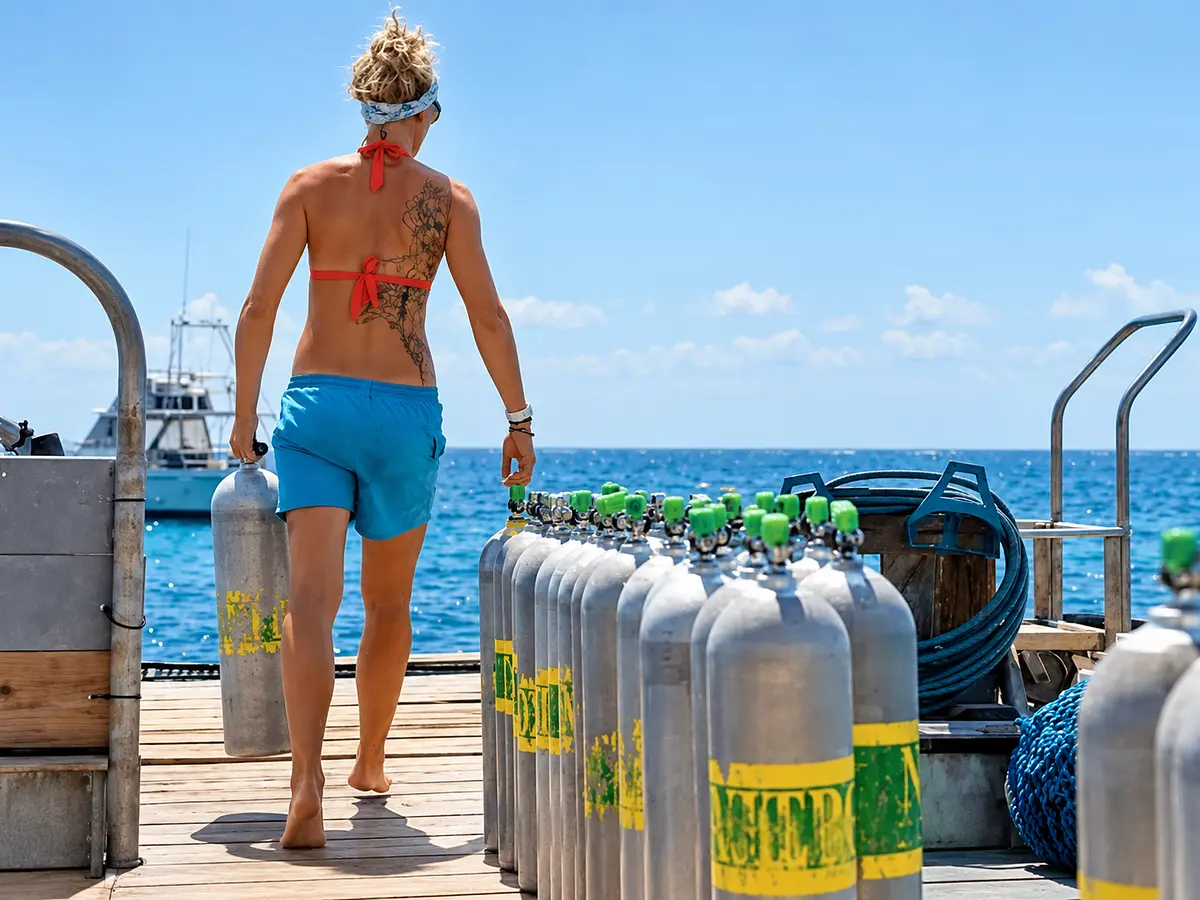
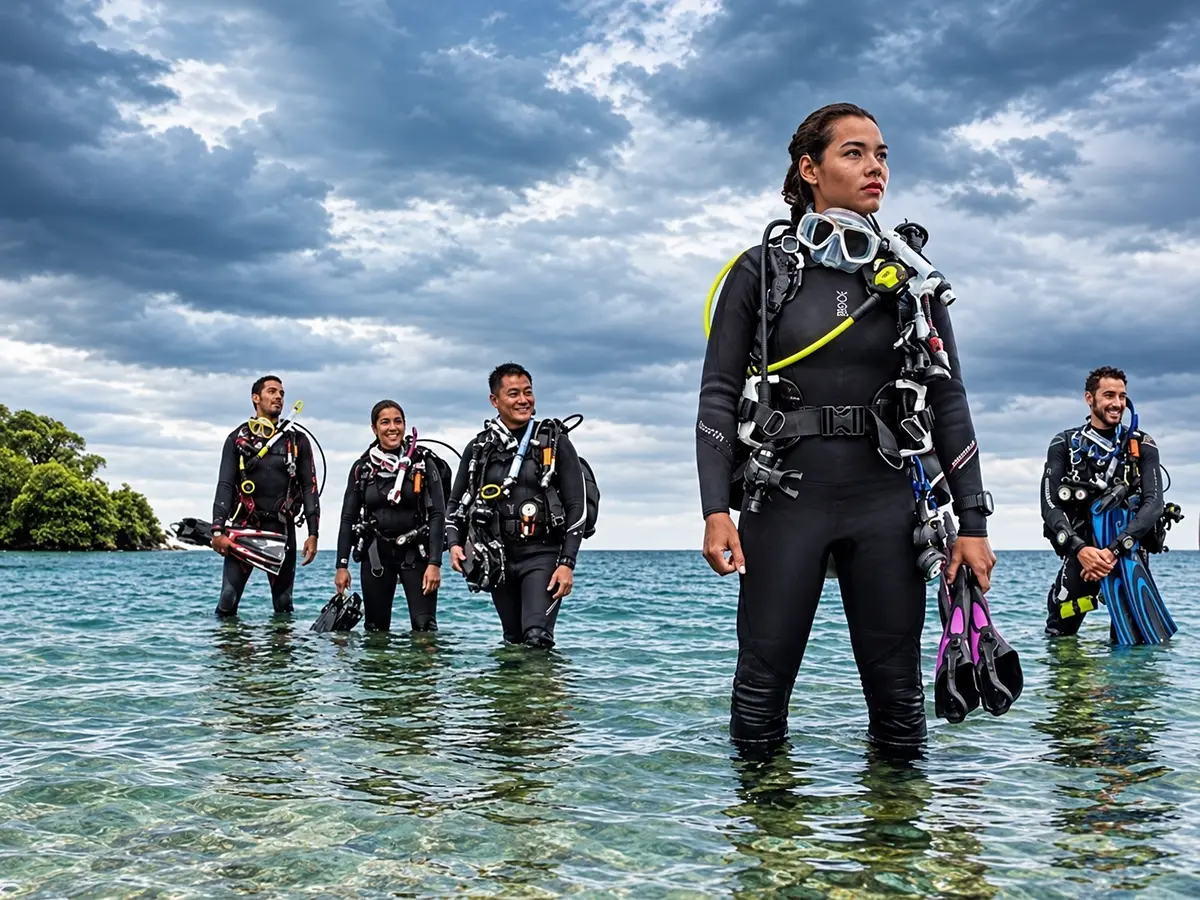
The CMAS Three-Star Diver course, also written CMAS P3 or CMAS ★★★, is the advanced leadership and professional dive-guiding grade of the Confédération Mondiale des Activités Subaquatiques, developing an experienced diver into someone able to plan, organize, brief and lead recreational dives, guide certified divers safely, manage rescue and emergencies, and assist an active CMAS instructor. In Hurghada it costs €900 per person for the training, with CMAS federation, registration, materials, examination and certification fees charged separately. Candidates must be at least eighteen, hold CMAS Two-Star Diver or an accepted equivalent, arrive with around 100 logged dives, and hold a current first aid and CPR qualification; the program includes a minimum of 12 open water development dives, at least two of which the candidate plans, organizes and conducts under the direct supervision of an active CMAS instructor, qualifying a Three-Star Diver to dive with another diver of the same level to a maximum depth of 40 meters. Red Sea Diving runs it in Hurghada on the Egyptian Red Sea.
Moreover, this is not a course you take right after Two-Star. Real logged experience across varied conditions matters as much as the training itself, and CMAS Three-Star already covers the professional guiding role some other systems split into a separate Divemaster rating. Therefore we review your logbook and certifications before we confirm a program, and we explain in writing any CMAS fee that applies. The program follows the standards published by the Confédération Mondiale des Activités Subaquatiques.
| Course | CMAS Three-Star Diver (P3, CMAS ★★★), the advanced leadership and professional guiding CMAS grade |
|---|---|
| Price | €900 per person, training only |
| CMAS fees | Federation, registration, learning materials, examination and certification, charged separately where they apply |
| Level | Advanced, dive leadership and professional guiding |
| Minimum age | 18 years, no upper limit |
| Prerequisite | CMAS Two-Star Diver, or an accepted equivalent from a recognized agency |
| Logged experience | Around 100 logged dives since Two-Star certification, some at depth, confirmed against your logbook |
| First aid | Current first aid and CPR qualification, together with rescue and oxygen-administration qualifications where required |
| Open water dives | Minimum 12 development dives; at least 2 planned, organized and conducted by the candidate under direct instructor supervision |
| Focus | Dive leadership, advanced planning, briefings, guiding certified divers, dive organization, dive management, rescue, emergency management, navigation |
| Can assist instructors | Yes, within the Three-Star Diver’s prior training and applicable CMAS requirements |
| Qualification depth | Up to 40 meters, accompanied by a diver of the same level or higher |
| Next pathway | CMAS instructor training, according to eligibility |
| Location | Hurghada, Red Sea Governorate, Egypt |
| Operator | Red Sea Diving, a CMAS-affiliated dive center in Hurghada, diving since 2000 |
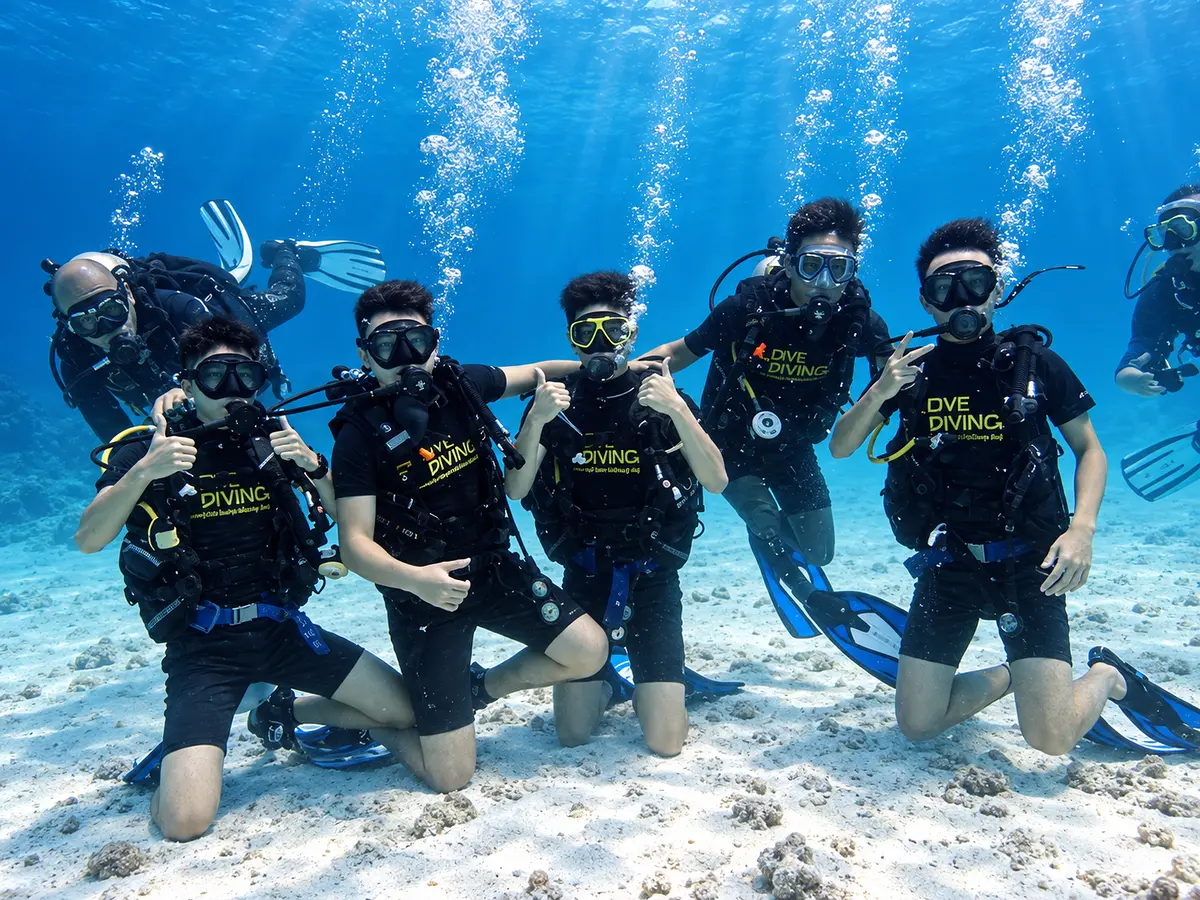
Both let you guide certified divers professionally and assist an instructor. By contrast, PADI splits the path into Rescue Diver and then Divemaster; CMAS covers the same ground in one grade, Three-Star, which combines rescue, dive leadership, dive management and professional guiding together, examined against an international standard rather than one agency’s curriculum.
Furthermore, both ask for real experience first: PADI Divemaster wants 40 to 60 logged dives, CMAS Three-Star around 100 since Two-Star certification, so the CMAS route generally arrives with more time in the water behind it.
In short, both are taught here, and either sits comfortably alongside a BSAC card if that is what you already hold.
Thinking beyond your own dive: diver qualifications, buddy teams, objectives, site conditions, gas and emergency procedures, before anyone enters the water.
Above all, depth, bottom time, gas requirements, decompression considerations, surface support and an alternative plan for each dive.
Likewise, a clear, professional briefing covering the site, the route, entry and exit and emergency procedures, so every diver understands the plan.
In addition, maintaining awareness of the whole group, individual buddy teams, gas, depth and time, not simply showing the way.
Assessing divers, organizing buddy teams, preparing the activity before anyone gets wet, and coordinating surface support as conditions change.
Furthermore, recognizing a diver in difficulty, coordinating assistance, emergency oxygen, first aid and evacuation, planned before the dive rather than improvised during it.
Compass and natural navigation, route planning and maintaining awareness of the whole team, not only your own position.
Supporting an active CMAS instructor during approved courses, within your prior training and the applicable standards.
Finally, knowing when a plan should change and, above all, when not to dive at all, alongside punctuality and calm decision-making.
However, the objective is judgment and responsibility, not simply completing exercises. In other words, a good Three-Star Diver manages the whole dive; they do not simply swim at the front of the group.
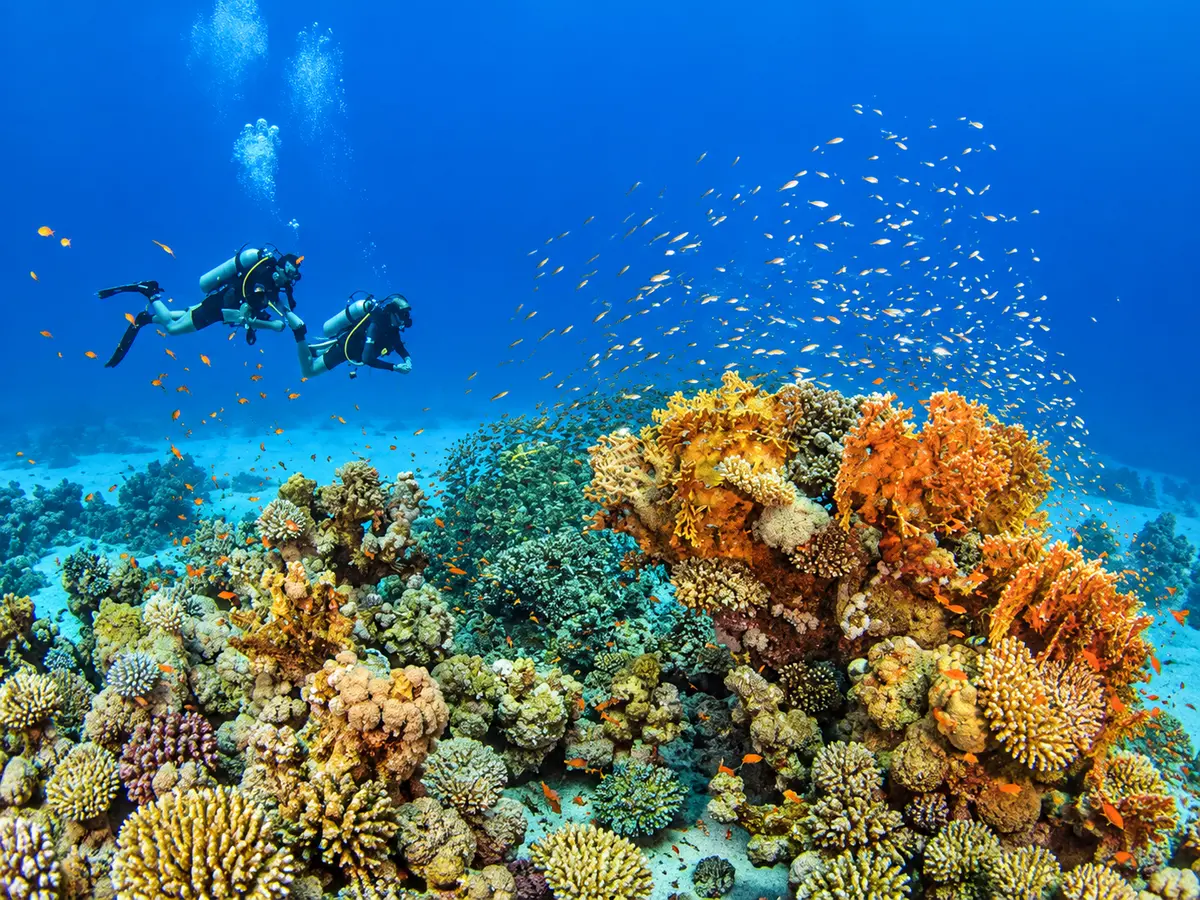
To begin with, we review your certification, logged dives since Two-Star, maximum depth, rescue and first-aid qualifications and recent diving activity.
Then dive leadership theory, advanced planning, briefings, dive organization, rescue and emergency management, applied to real scenarios rather than memorized.
Next, briefing and guiding real certified divers on our boats, plus rescue drills and dive-management exercises, run until they feel automatic under pressure.
Afterward, at least twelve dives, including the two you plan, organize and conduct under an active instructor’s direct supervision.
Finally, your instructor’s evaluation throughout the program and your certification as an advanced diver, dive guide and dive leader.
However, the exact schedule depends on your existing experience, your progress and current sea conditions. Consequently we confirm the day-by-day plan once we have reviewed your logbook.
Not there yet? The CMAS Two-Star Diver course is the step before this one, and the experience dives can be logged on our daily boats long before you register. Moreover, if your certification is from PADI, SSI or BSAC, send it to us first, because we review eligibility before we confirm the program.
Therefore your written quotation shows the €900 training price and each applicable CMAS fee as separate lines. In fact, that is why the headline says €900 rather than a vaguer all-in figure.
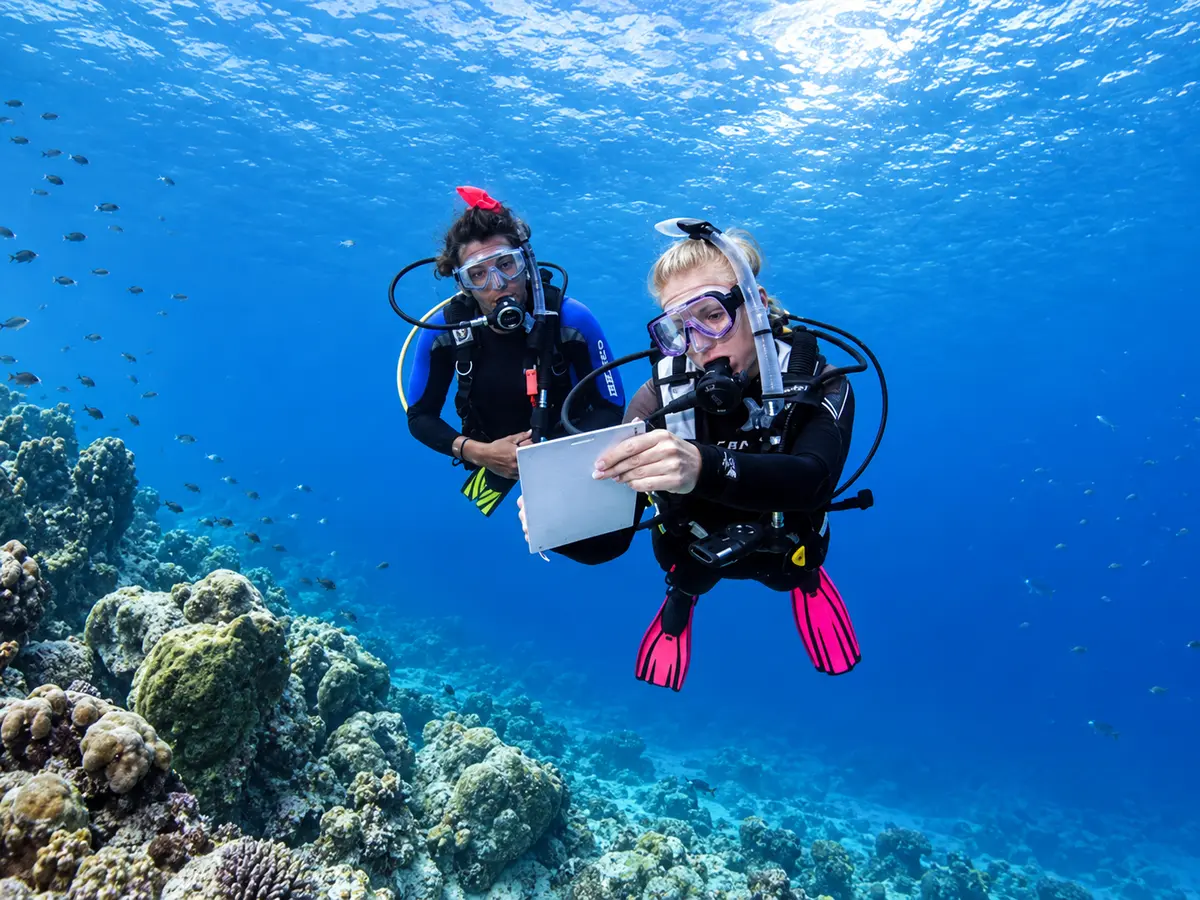
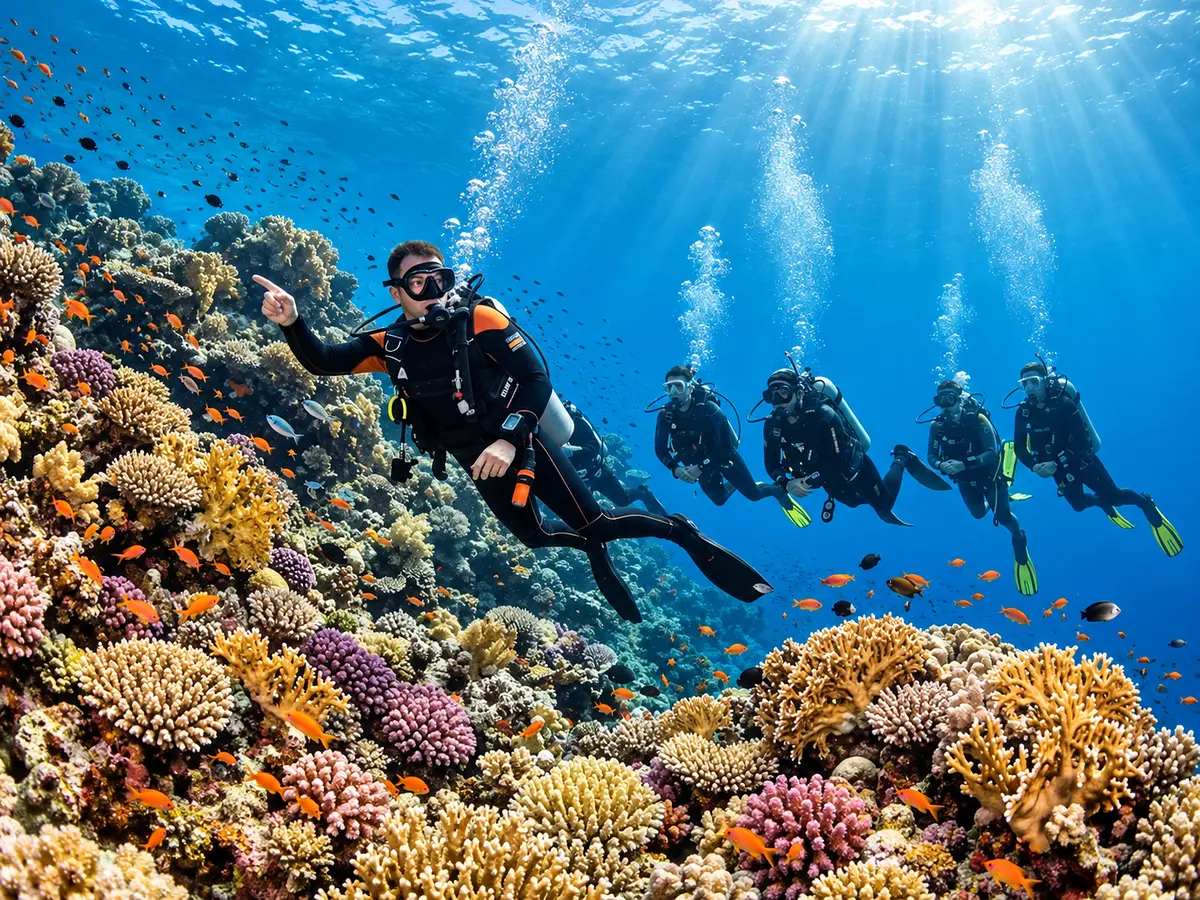
Hurghada gives a Three-Star candidate variety within one day’s range: sheltered reefs for rescue drills and guiding practice, walls for the deeper dives toward 40 meters, current for real judgment, and daily boat operations with genuine guests to brief and lead. Moreover, reef walls, wrecks and different visibility conditions all sit close enough to combine in a single program.
Furthermore, our daily diving and liveaboard operations give the whole course real operational context, and our procedures sit on the diving safety page.
Equally, depth on its own is never the objective. Judgment, planning, guiding and the ability to recognize when not to dive matter more than reaching 40 meters quickly.
Gallery
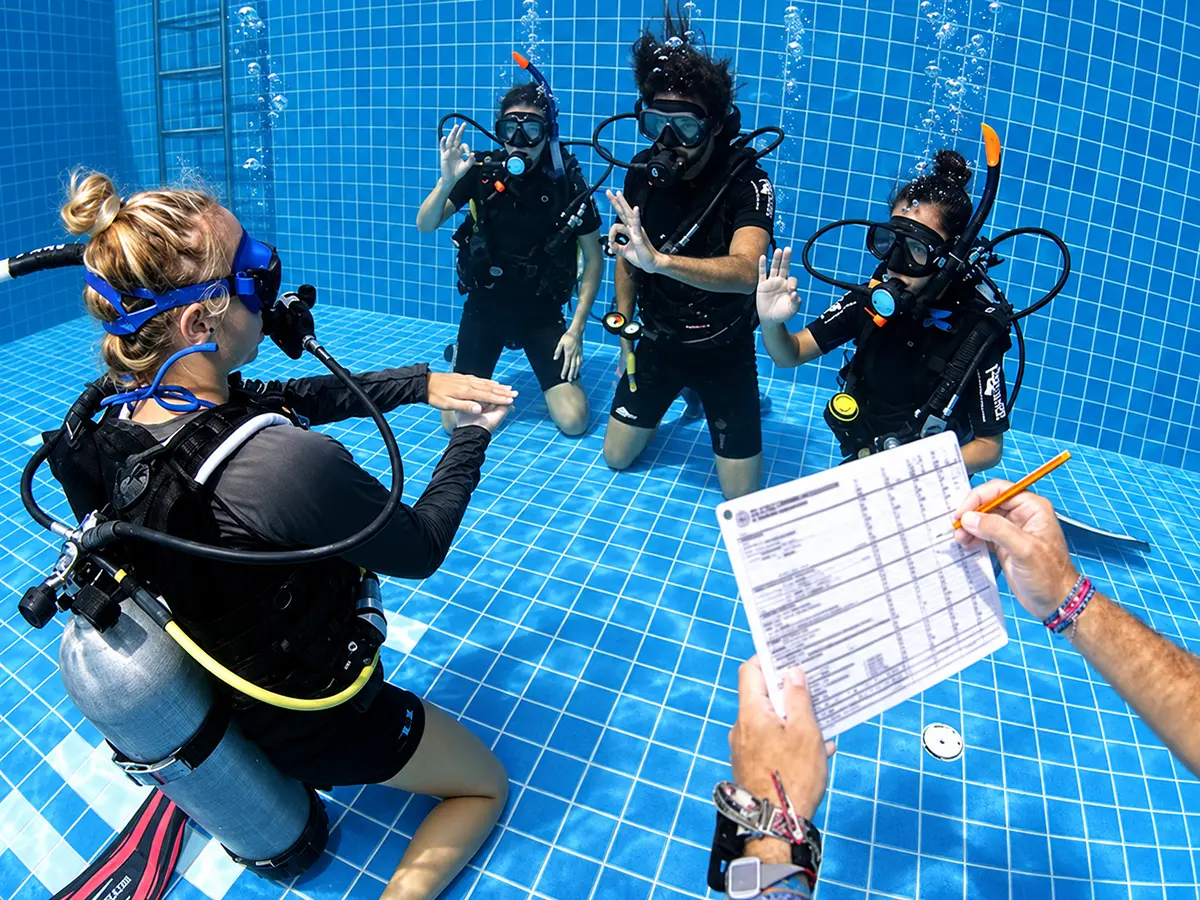
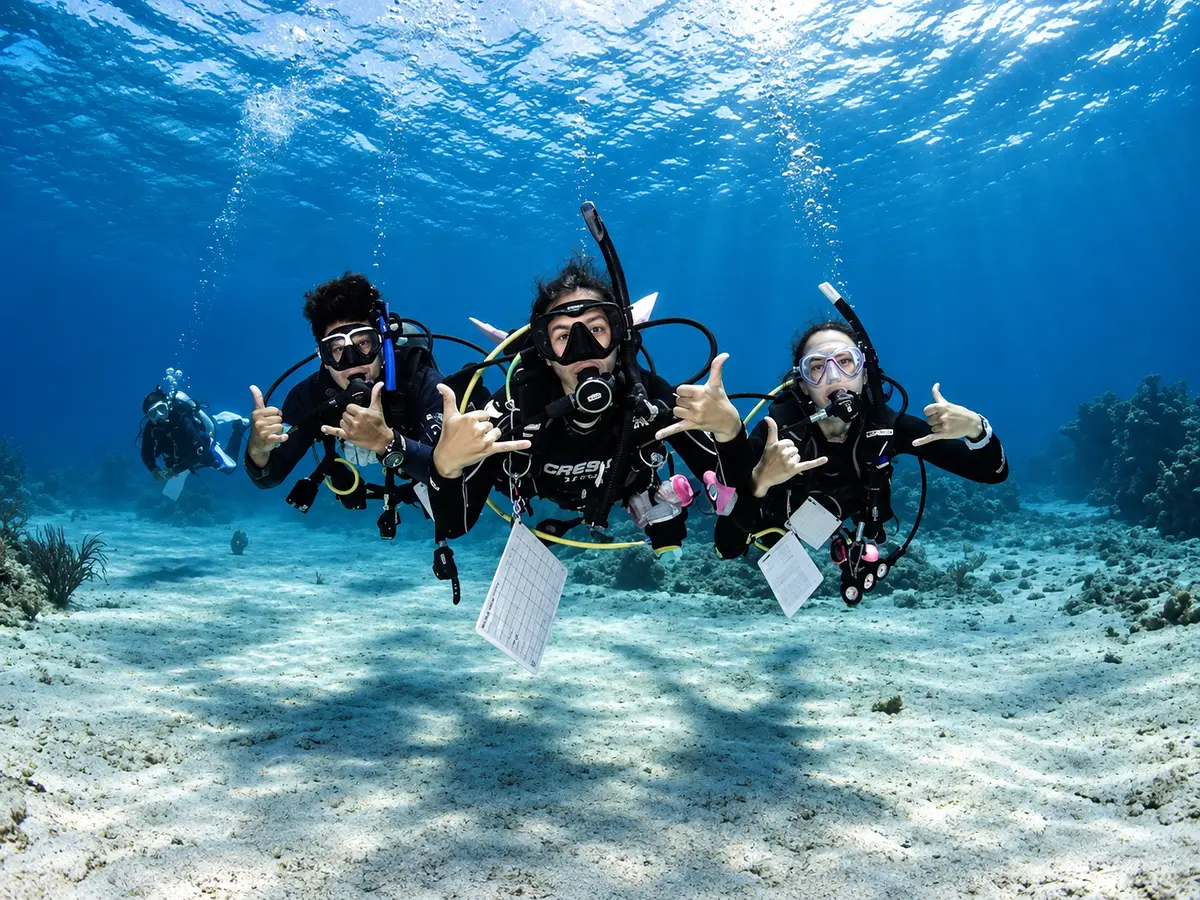
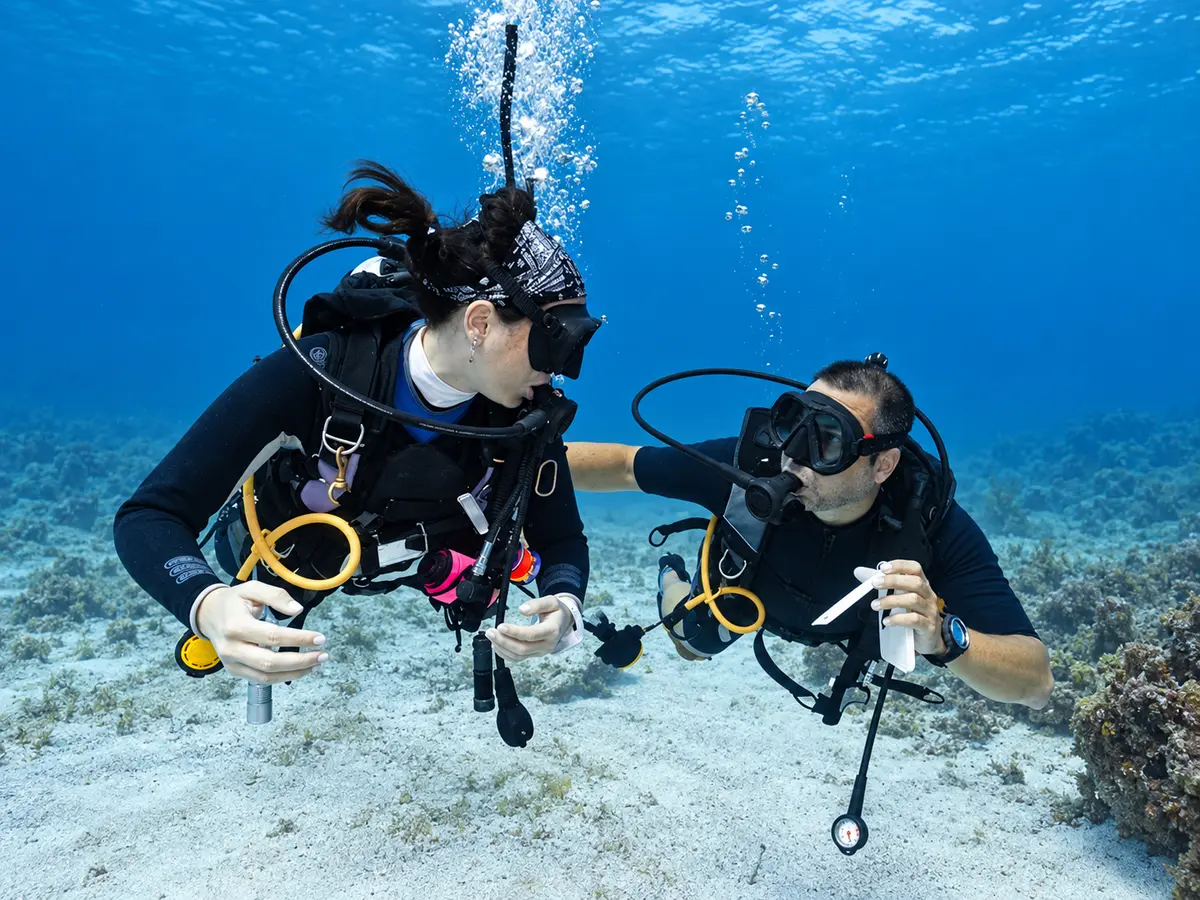
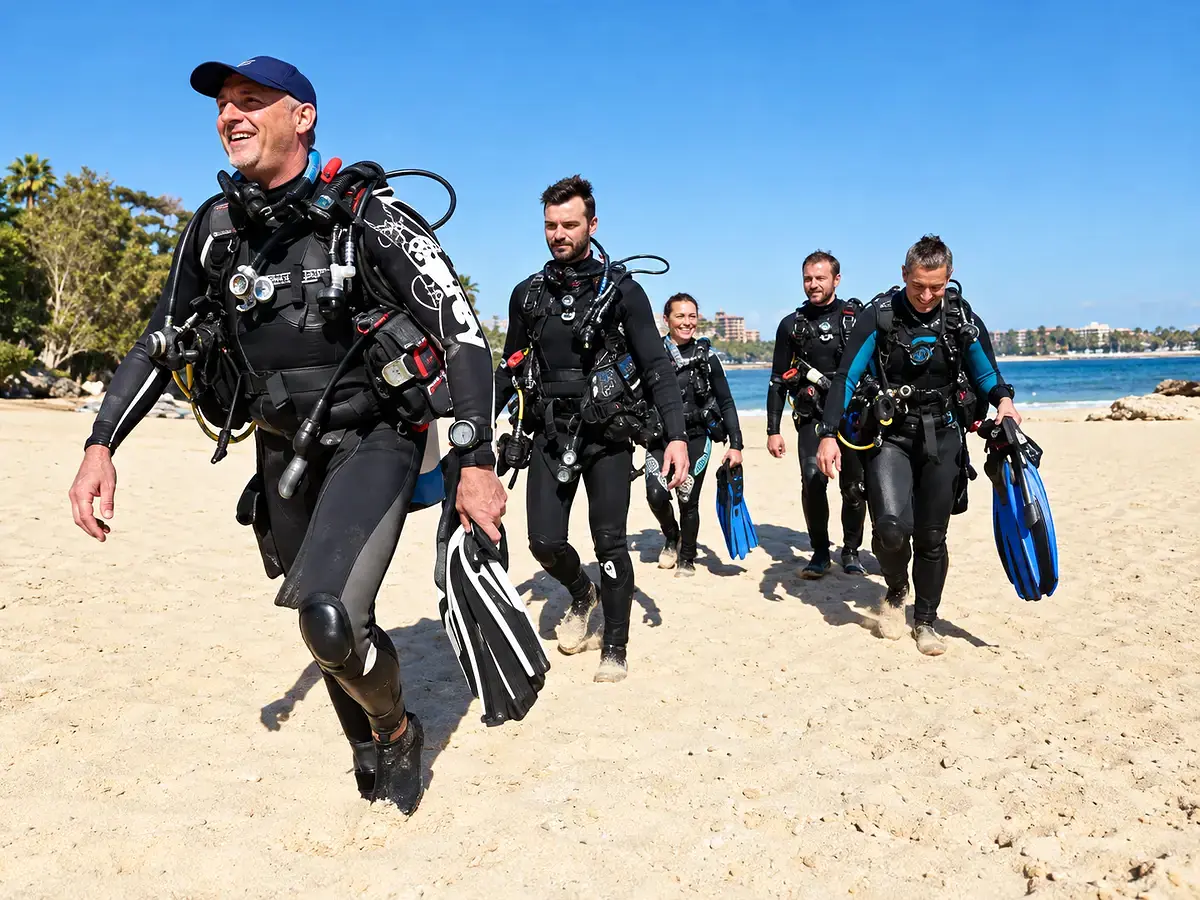
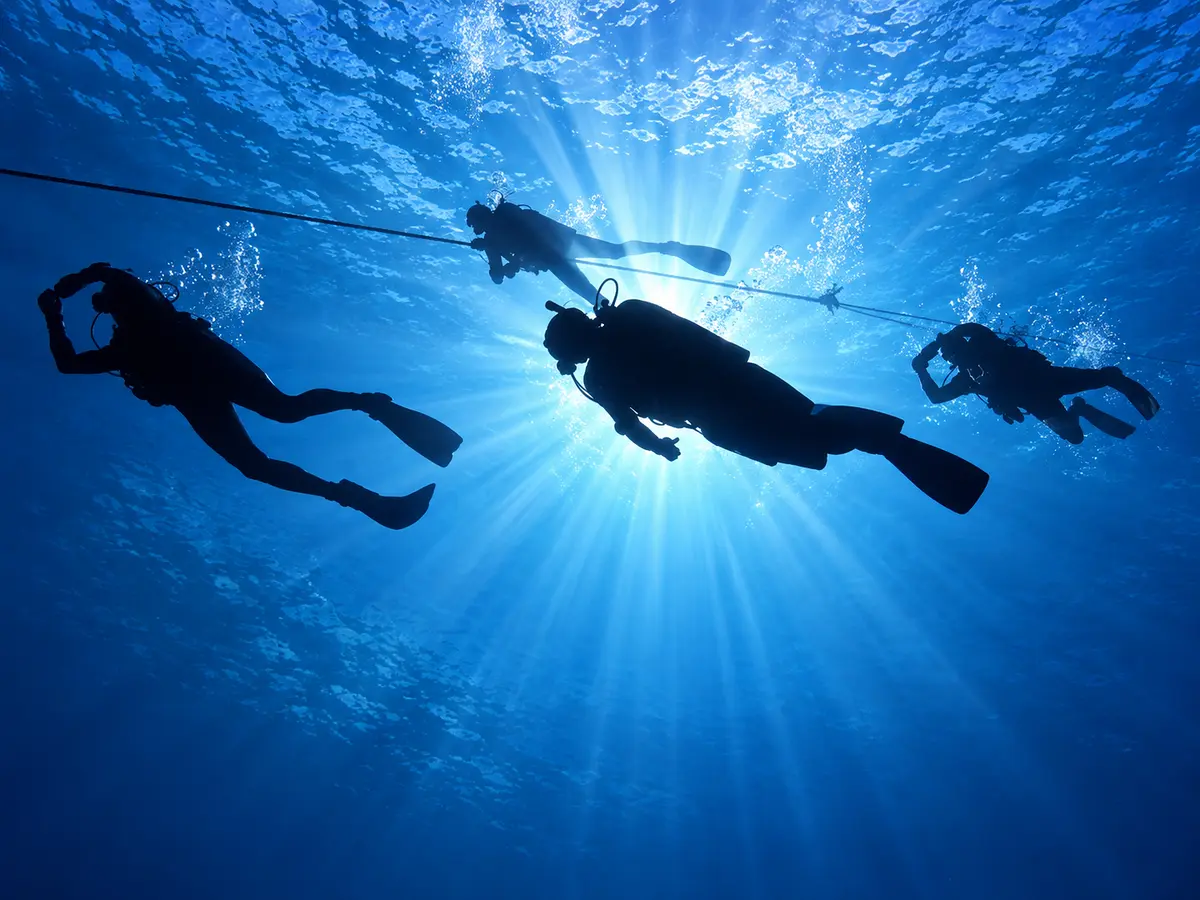
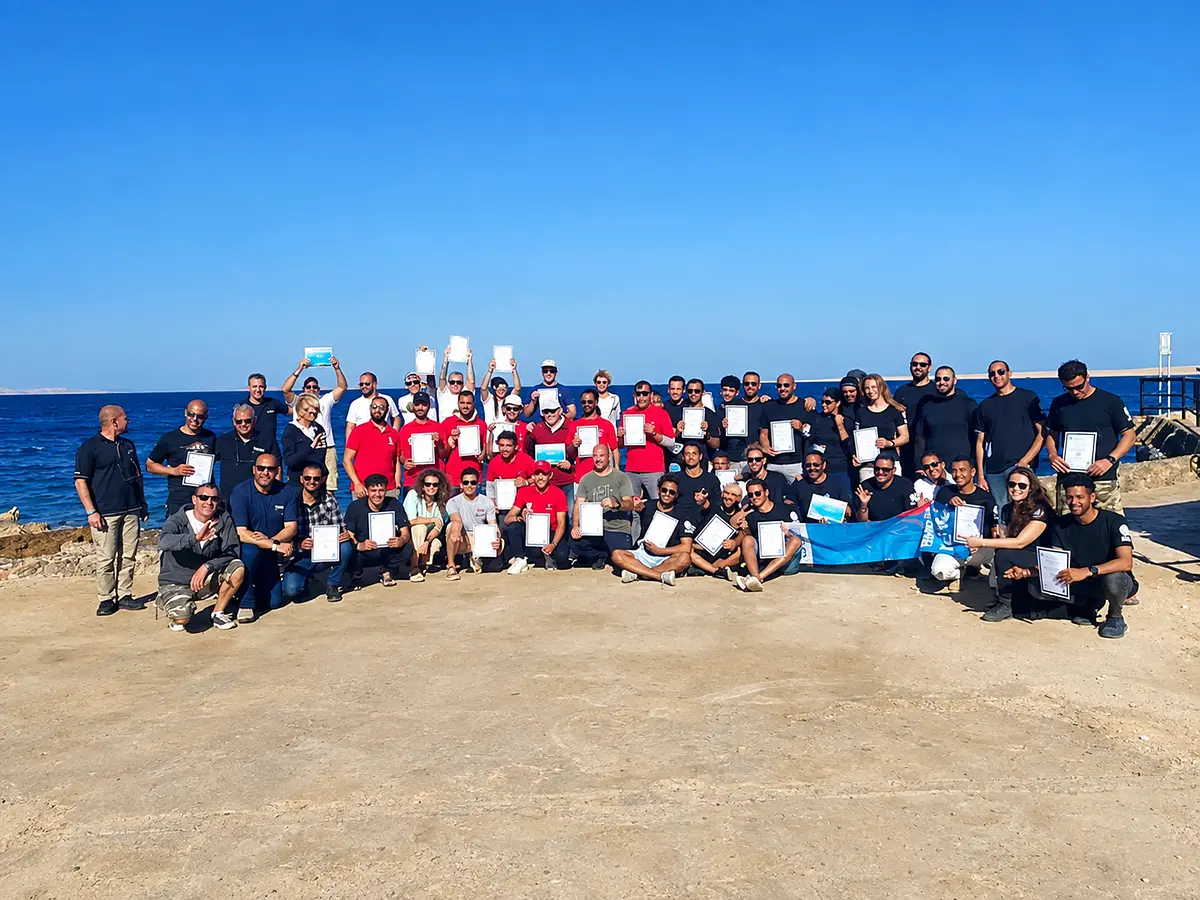
Plan, organize and lead certified recreational divers, act as a dive guide, and assist an active CMAS instructor within your certification.
By contrast, the route into teaching, for Three-Star Divers who want to certify new divers themselves.
Afterward, more logged dives, more sites and more conditions, which every further CMAS step still asks for.
Overall, the CMAS route runs: One-Star Diver ★ → Two-Star Diver ★★ → Three-Star Diver ★★★ → instructor training. Meanwhile, we also teach the PADI and BSAC systems, and can advise on which fits your existing certification.
Why us
Above all, a planned dive changes or stops whenever conditions require it, because good leadership includes knowing when not to dive.
Indeed, more than two decades of diving and liveaboard operations out of Hurghada, on every Egyptian route.
Furthermore, you brief and lead actual certified divers on our daily boats, not a role-play with fellow candidates.
Moreover, every dive happens on genuine Red Sea reefs, walls and boats, not a simulated environment.
In addition, the €900 training price and every applicable CMAS fee are explained in writing before you confirm.
Likewise, we teach PADI, BSAC and CMAS, so we can advise honestly on which route fits your existing certification and goals.
Questions
The Red Sea Diving price is €900 per person. However, applicable CMAS federation, examination and certification fees are separate unless your booking specifically includes them.
Not automatically. Therefore we charge applicable federation, examination, materials and certification charges separately unless specifically included in your confirmed booking.
At suitable dive sites and through real diving operations around Hurghada in the Egyptian Red Sea, chosen according to training objectives, conditions and safety.
The €900 price does not include full personal diving equipment or a dive computer. Therefore tell us before arrival if you need full rental equipment.
No. It is an advanced leadership and professional guiding qualification for experienced certified divers, not an entry-level course.
The normal progression is from CMAS Two-Star Diver. However, appropriate recognized equivalent qualifications may be considered according to current requirements.
Around 100 since Two-Star certification, together with a current first aid and CPR qualification.
Potentially. Nevertheless, your certification and experience need to be reviewed against the applicable CMAS entry requirements.
Yes. Three-Star Diver is the CMAS grade that develops professional dive planning, briefings and guiding, so you can safely lead certified recreational divers.
Yes. A CMAS Three-Star Diver can assist an active CMAS instructor during approved courses, within the scope of their prior training and applicable requirements.
Yes. Rescue skills and emergency awareness form an important part of the training.
Up to 40 meters, accompanied by another diver of the same level or higher, according to applicable CMAS standards and local regulations.
Depending on eligibility and goals, further development can include CMAS instructor training.
Send us your full name, your age, your current certification and training agency, your number of logged dives, your maximum qualified depth, the date of your last dive, your rescue and first-aid qualifications, your Nitrox qualification if applicable, your previous guiding or dive-leadership experience if any, your arrival and departure dates, your hotel in Hurghada and your equipment requirements. Then we review your background and confirm the appropriate program and any applicable CMAS fees in writing. For liveaboard diving in Egypt see also redsealiveaboard.net, and read the current fitness guidance from Divers Alert Network.
Rated 4.9 out of 5 from 132 reviews on Google.
Prefer to talk? Message us on WhatsApp or call +20 105 005 6542. In fact, we answer 24 hours a day, seven days a week.
Red Sea Diving, Madares Street, Hurghada 1, Hurghada 84511, Red Sea Governorate, Egypt. Diving and training here since 2000.
This page was last reviewed by the Red Sea Diving instructor team in September 2026.
Premium Red Sea diving in Egypt. Liveaboard trips with experienced crews, comfortable vessels and 20+ years of experience.