Deeper diving
How depth affects planning, gas consumption, decompression and performance. Above all, you build depth progressively rather than in one jump.

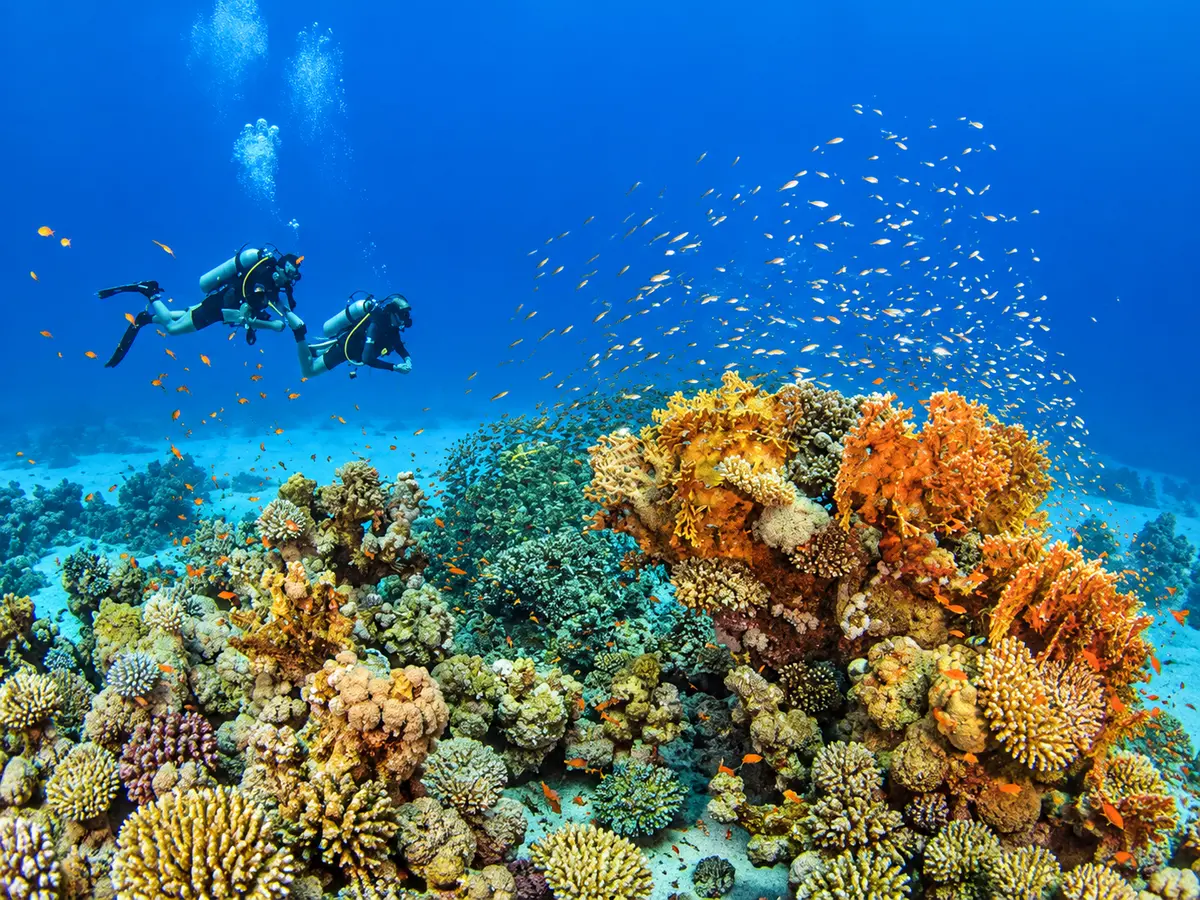
BSAC Sports Diver · Keep Going · Hurghada
The second full grade of the British Sub-Aqua Club program. Rescue skills, dive planning, planned decompression and progressive depth to 40 meters, taught by Red Sea Diving on the reefs and walls around Hurghada. Nitrox to 36 percent is part of the qualification.
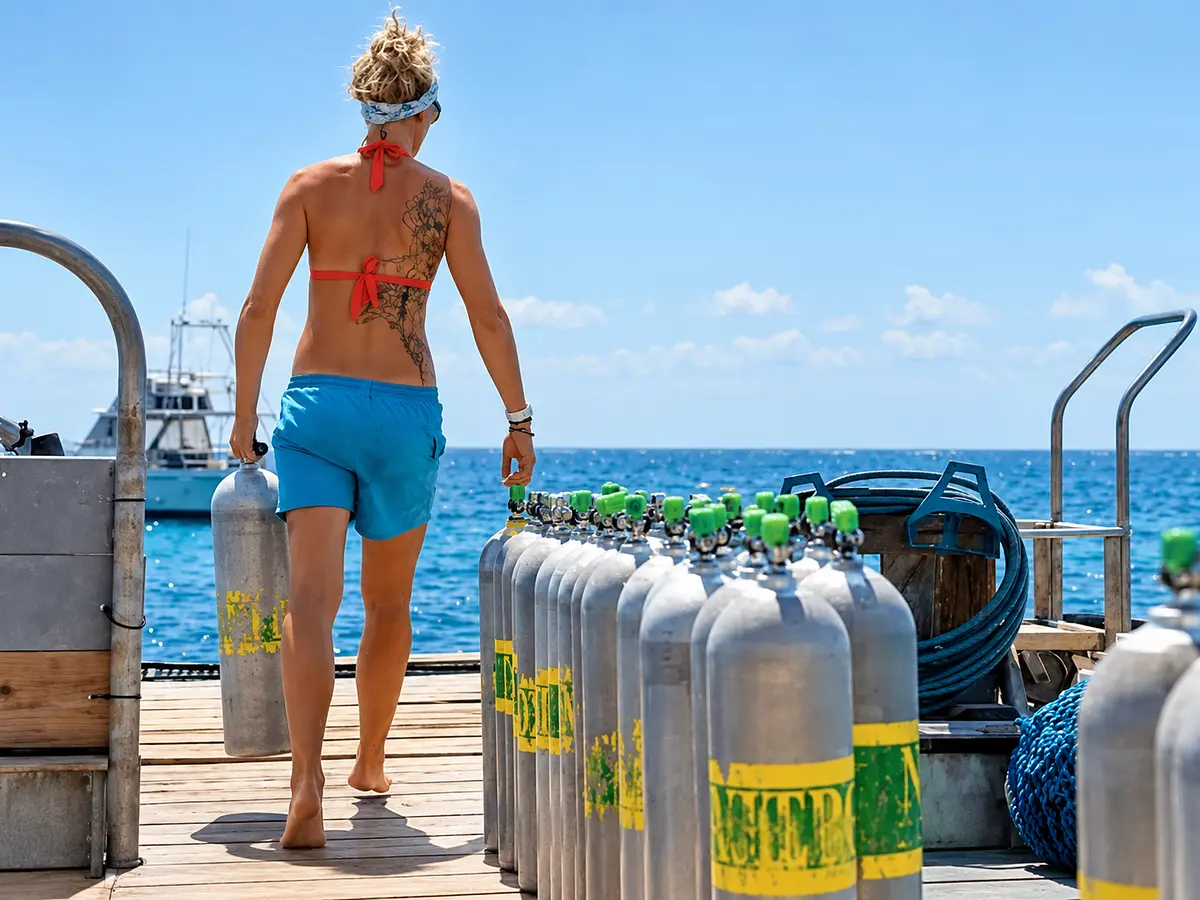
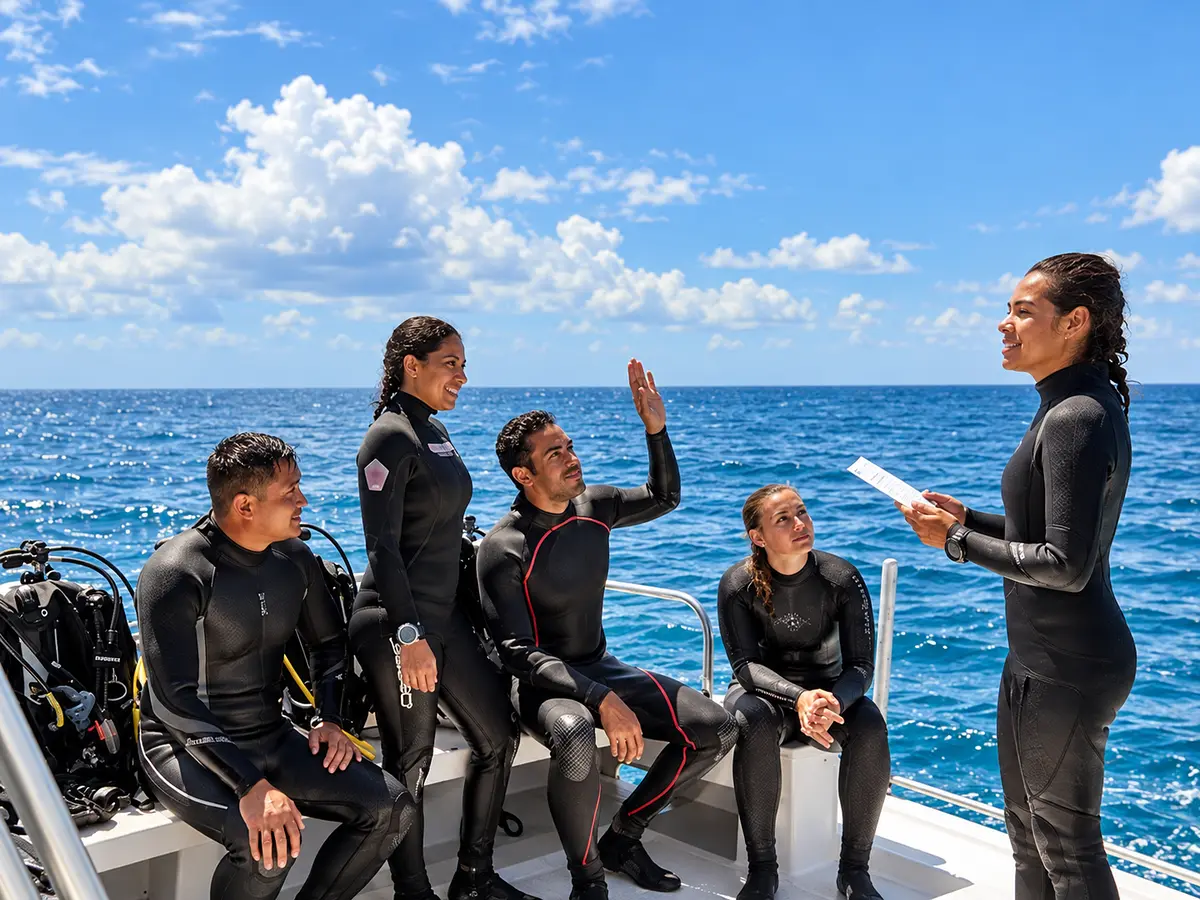
The BSAC Sports Diver course is the second full grade of the British Sub-Aqua Club training program, the level that turns an entry-level diver into a capable, independent one with rescue skills, stronger dive planning and planned decompression. In Hurghada it costs €350 per person for the training, with BSAC registration, membership, eLearning, materials and certification fees charged separately. Candidates must hold BSAC Ocean Diver, Advanced Ocean Diver or an accepted equivalent and be at least twelve. After qualifying, depth builds progressively from 20 to a maximum of 40 meters, and the qualification includes Nitrox up to 36 percent. Red Sea Diving runs it on the reefs and walls around Hurghada as a BSAC training center.
Moreover, the €350 covers what happens here: the instruction, the rescue sessions, the training dives, the boat, the tanks and the transfers within Hurghada. Therefore we explain in writing any BSAC fee that applies to your status before you confirm. The program follows the standards published by the British Sub-Aqua Club for this grade.
| Course | BSAC Sports Diver, the second full grade of the BSAC program |
|---|---|
| Price | €350 per person, training only |
| BSAC fees | Registration, membership, eLearning, materials and certification, charged separately where they apply |
| Level | Advanced recreational diving |
| Prerequisite | BSAC Ocean Diver, Advanced Ocean Diver, or an accepted equivalent from another agency |
| Minimum age | 12 years; 14 to progress beyond 20 meters after qualifying |
| Depth | 20 to 40 meters, built progressively after qualification |
| Nitrox | Qualification includes mixes up to 36 percent oxygen |
| From Ocean Diver | 6 theory modules, 2 dry practical sessions, sheltered-water rescue, open water training |
| From Advanced Ocean Diver | 4 theory modules, 2 dry practical sessions, sheltered-water rescue, open water training |
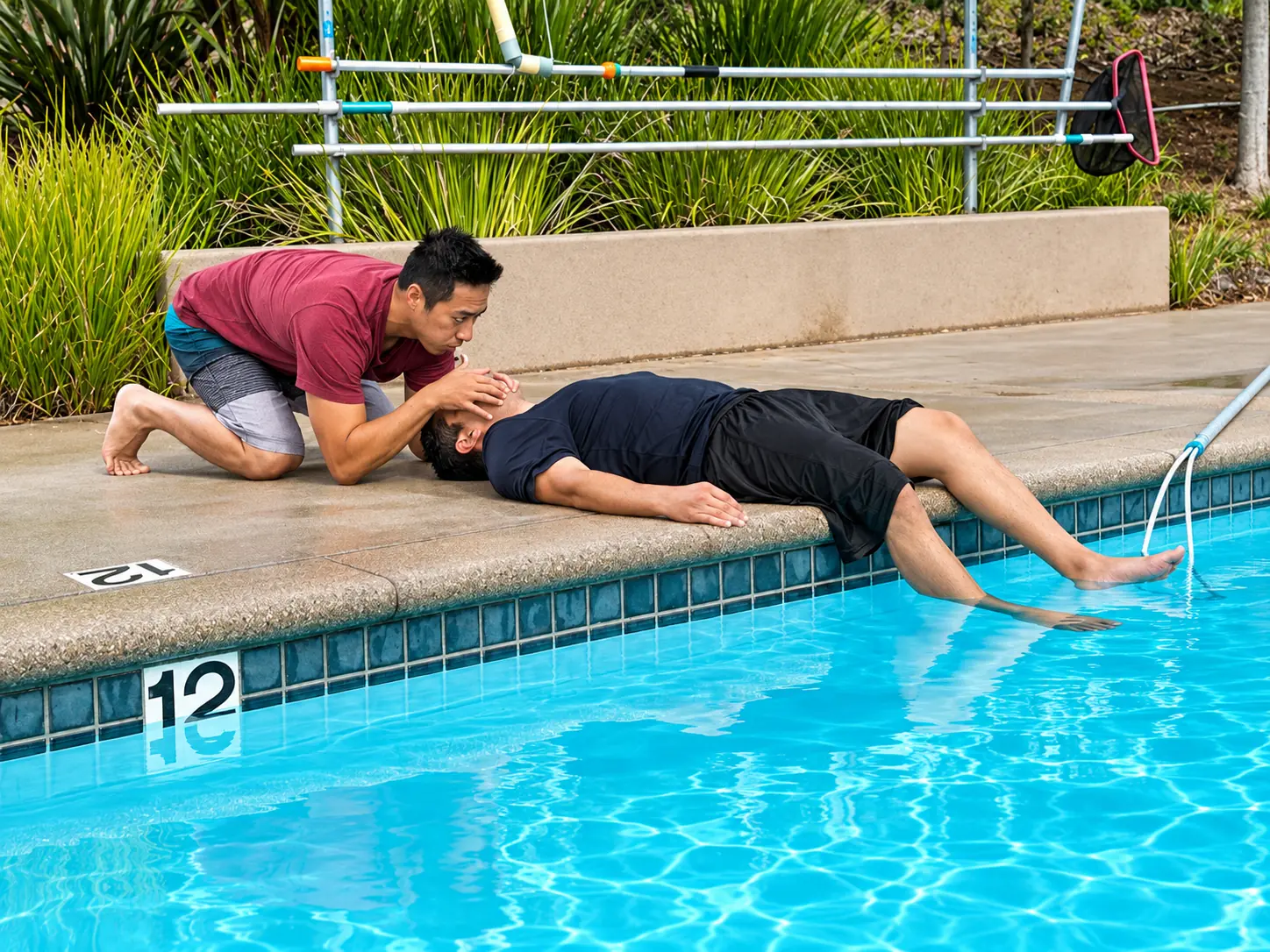
| Rescue | Self-rescue, assisting a diver, recovering an unresponsive diver, Basic Life Support |
| Decompression | Knowledge and skills for dives with planned decompression stops |
| Location | Hurghada, Red Sea Governorate, Egypt |
| Booking | Written confirmation of inclusions and BSAC fees before payment |
| Operator | Red Sea Diving, a BSAC training center in Hurghada, diving since 2000 |
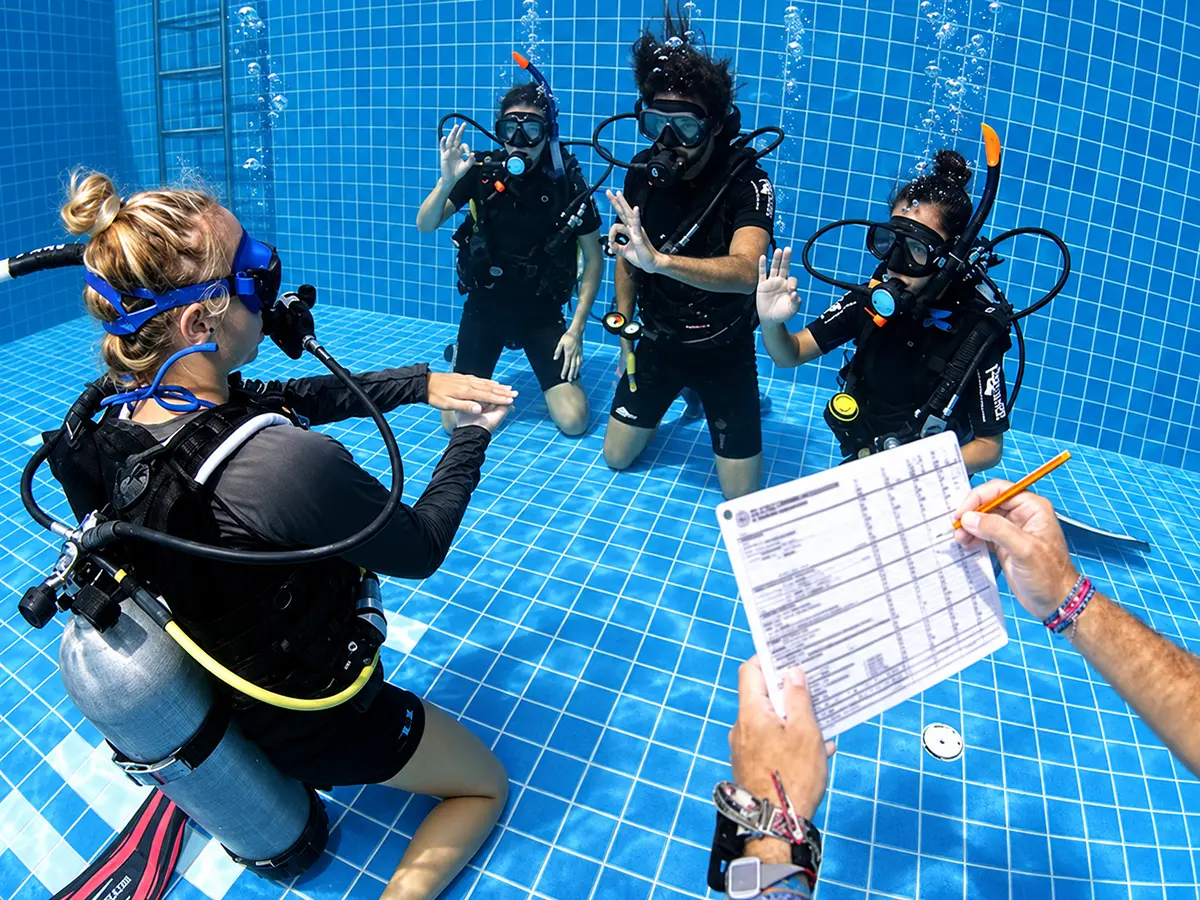
BSAC places Sports Diver at roughly the same level as PADI Rescue Diver, and the rescue content overlaps closely: self-rescue, assisting a diver in difficulty, recovering an unresponsive diver and Basic Life Support. By contrast, Sports Diver goes further in two directions. First of all, it introduces planned decompression diving, which the PADI recreational ladder does not. In addition, it carries a progressive depth limit to 40 meters, where Rescue Diver leaves your depth where it was.
Furthermore, Nitrox to 36 percent comes with the grade, whereas on the PADI side it is a separate specialty. Consequently, one BSAC course covers what would be three PADI courses: Rescue, Nitrox and Deep.
In short, choose Sports Diver if you plan to keep diving with a BSAC club or want decompression in your toolkit. Otherwise, the PADI route splits the same ground into smaller steps.
How depth affects planning, gas consumption, decompression and performance. Above all, you build depth progressively rather than in one jump.
Depth, time, gas requirements, buddy experience, conditions and emergencies, because good planning starts before you enter the water.
Calculating what you need, what you keep in reserve and what happens when a plan changes, so gas is never the surprise.
Recognizing your own problems early and solving them, as well as staying calm while you do.
Helping a buddy in difficulty, managing the rescue and communicating with the surface, so a problem stays a problem rather than an emergency.
Bringing an unresponsive diver to the surface and to safety, followed by Basic Life Support on the boat or the shore.
Likewise, the knowledge and discipline for dives with decompression stops, including DSMB deployment and stop management.
In addition, analyzing a cylinder, setting a maximum operating depth and understanding why enriched air helps on repetitive dives.
Finally, supervised experience of reefs, walls, drift, boat and navigation dives, since BSAC expects a Sports Diver to cope with variety.
However, the objective is a safer and more capable diver rather than simply a bigger number on the depth gauge. In other words, your instructor evaluates you progressively across the whole program.
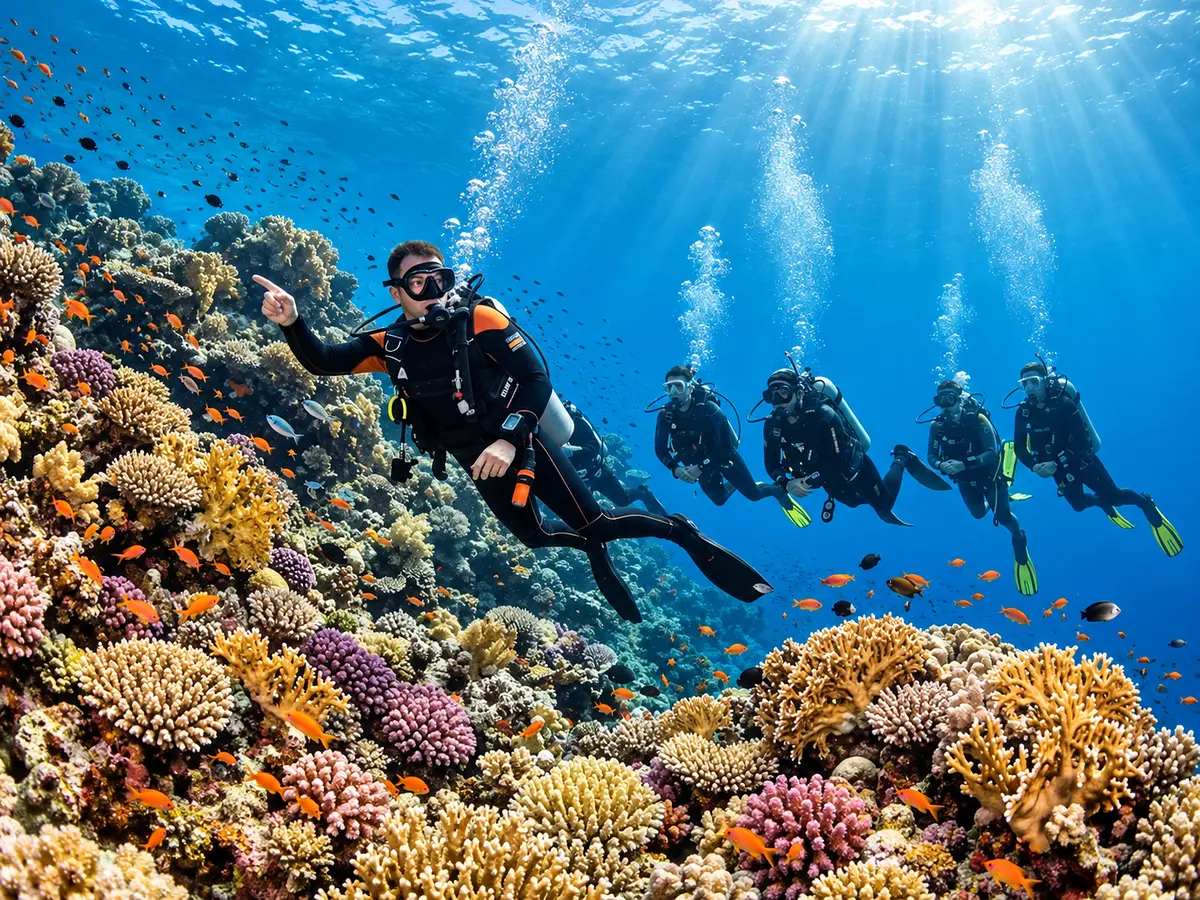
To begin with, we check your certification, logged dives, maximum depth and medical declaration. Then the theory: six modules from Ocean Diver, or four from Advanced Ocean Diver, by eLearning or with your instructor.
Next, two dry sessions covering rescue management, Basic Life Support and dive planning, so you understand the skills before they go in the water.
Afterward, self-rescue, assisting a diver and recovering an unresponsive diver, which you practice in the pool or the sheltered shallows until they become automatic.
Then the training dives on the reefs and walls around Hurghada: navigation, DSMB deployment, rescue exercises in open water and progressively deeper profiles.
Finally, the progressive evaluation and your Sports Diver qualification. Meanwhile, depth progression toward 40 meters continues on recorded dives after you qualify.
However, the exact schedule depends on your route into the course, your experience, your progress and the weather. Consequently we confirm the day-by-day plan once we have reviewed your training record.
Not there yet? The BSAC Ocean Diver course is the starting point, and the Advanced Ocean Diver course shortens this one. Moreover, if your certification is from another agency, send it to us first, because we confirm eligibility before we confirm the program.
Therefore your written quotation shows the training price and each applicable BSAC fee as separate lines. In fact, the Nitrox qualification is included in the grade; the fills during your dives are not.
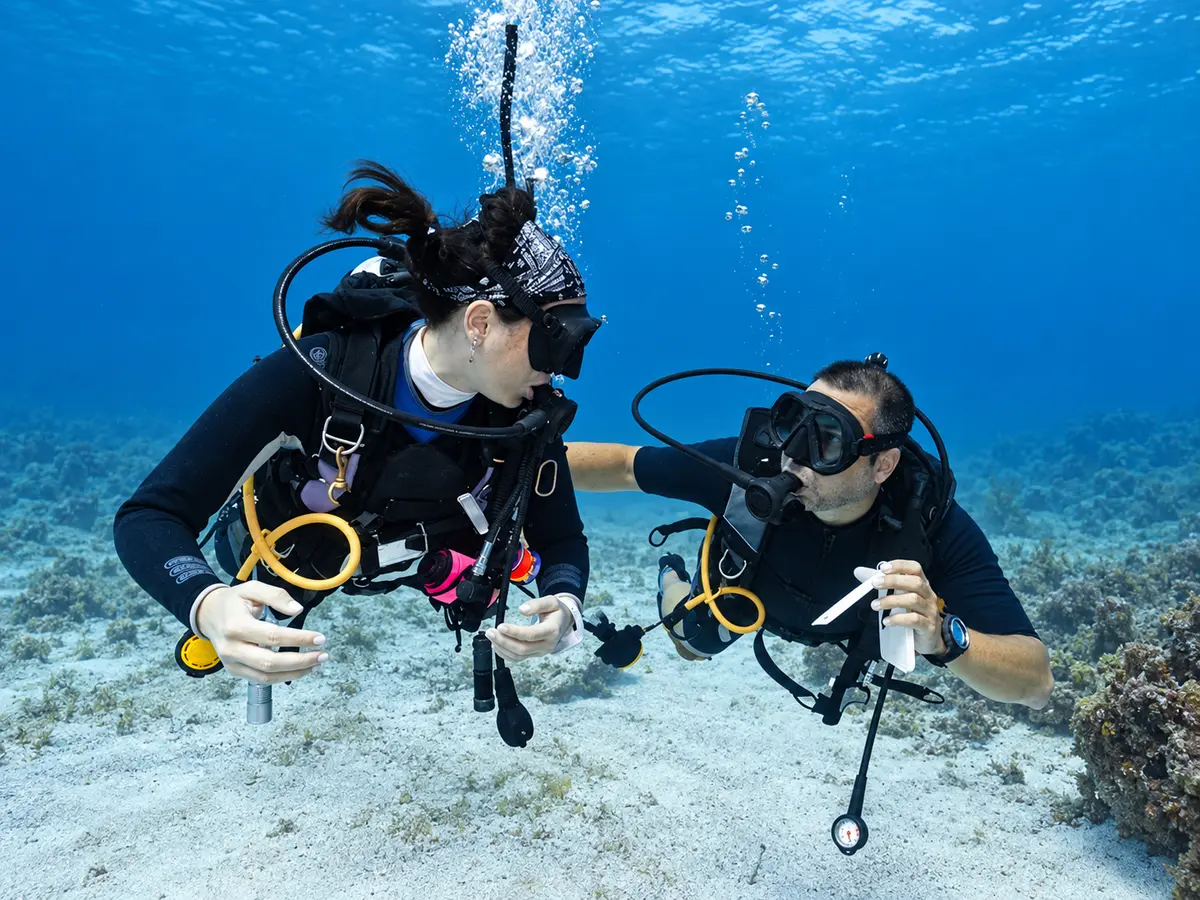
Hurghada gives a Sports Diver candidate the full range the grade demands: sheltered reefs for the rescue exercises, walls that drop well past 40 meters for depth progression, gentle drift sites and daily boat diving, all within one day’s range. Consequently you practice every skill in the conditions BSAC wrote it for.
Moreover, good visibility makes rescue and navigation exercises far easier to run and to assess, and the marine life turns up regardless: moray eels, lionfish, stingrays, groupers, barracuda and, often, turtles. However, wildlife encounters are natural and therefore never guaranteed.
Furthermore, our daily diving is where you actually log your post-qualification depth progression, and our procedures are set out on the diving safety page.
Gallery
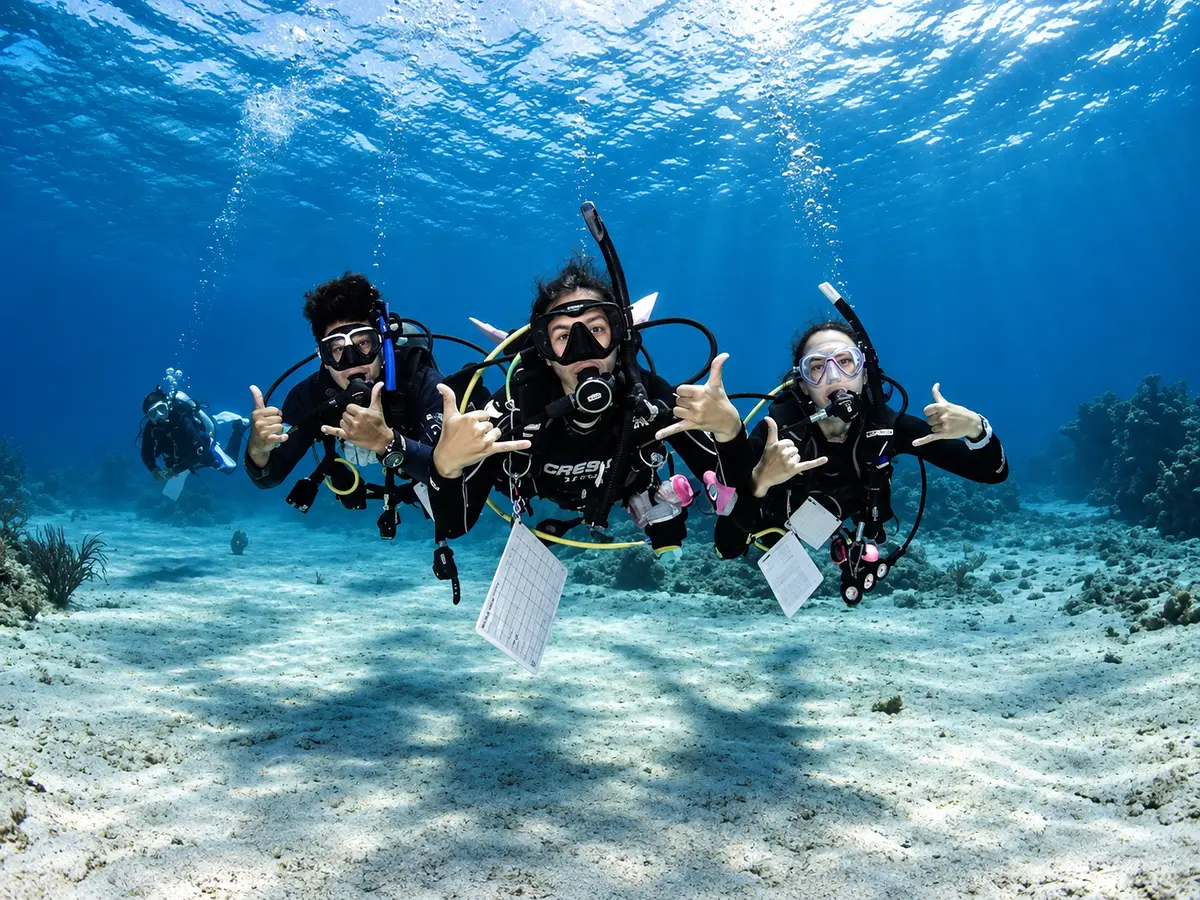
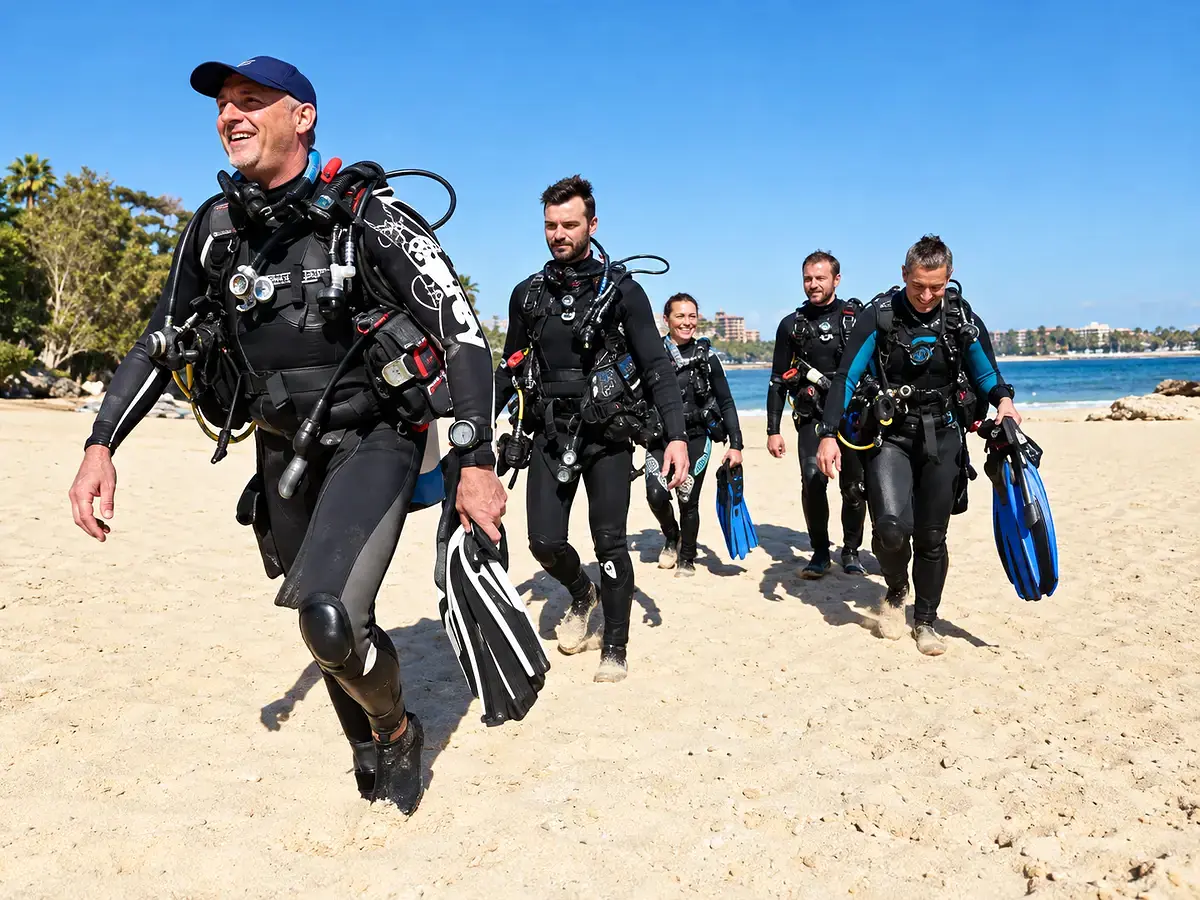
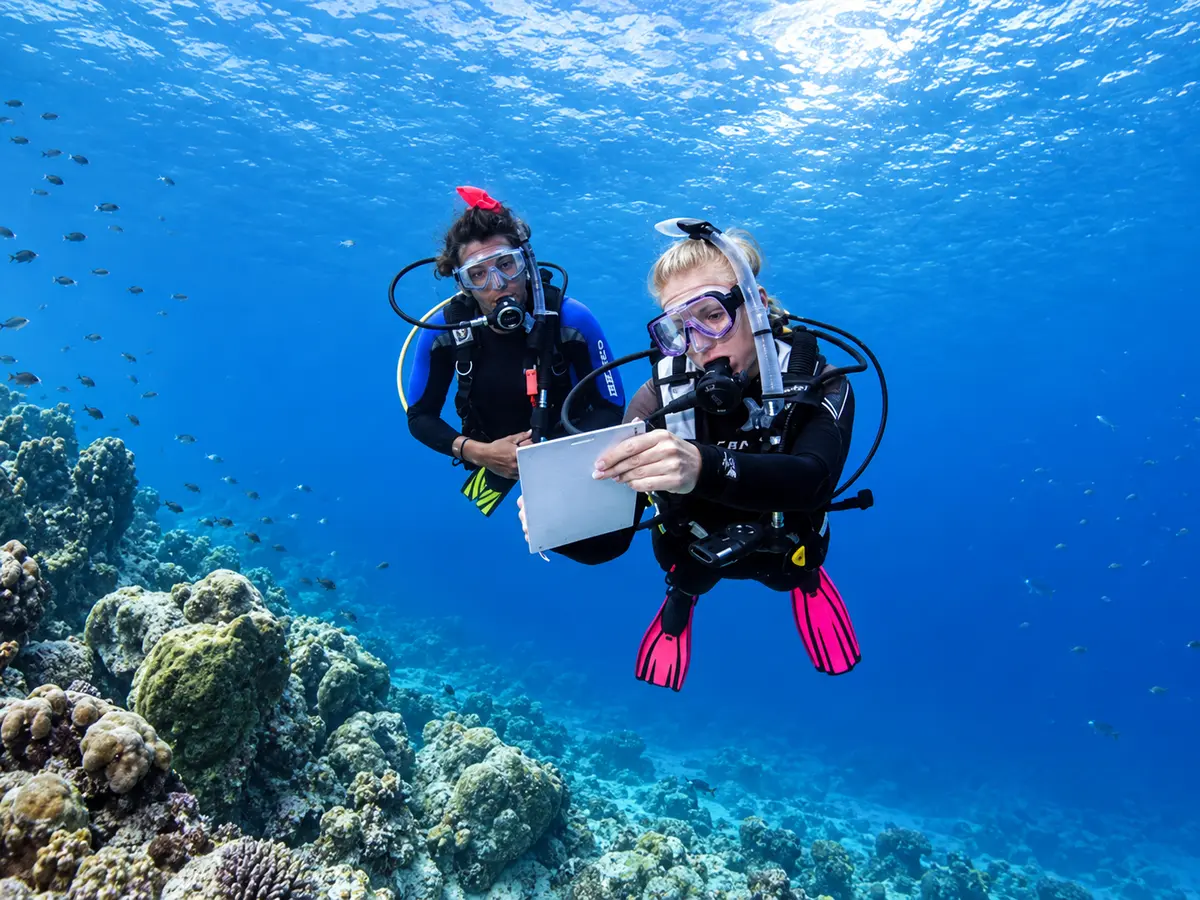
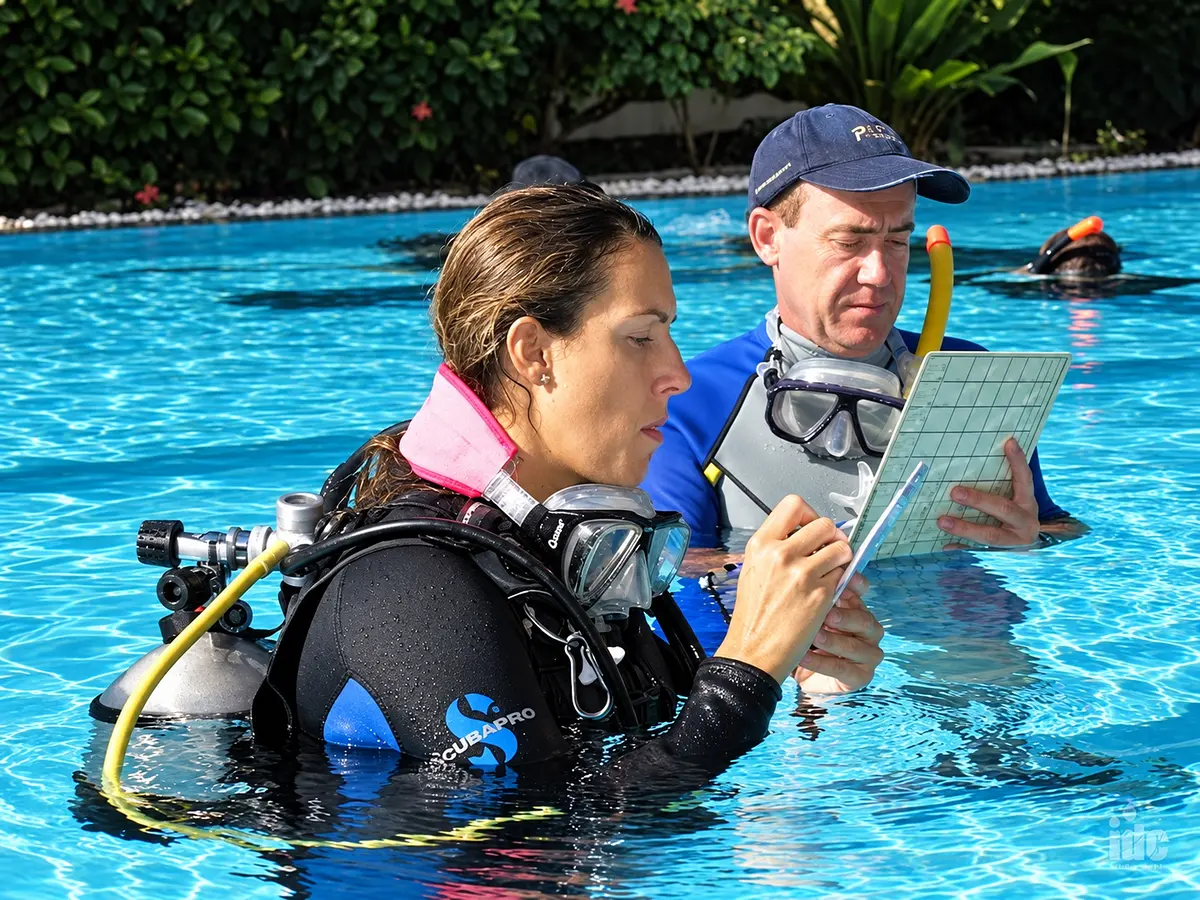
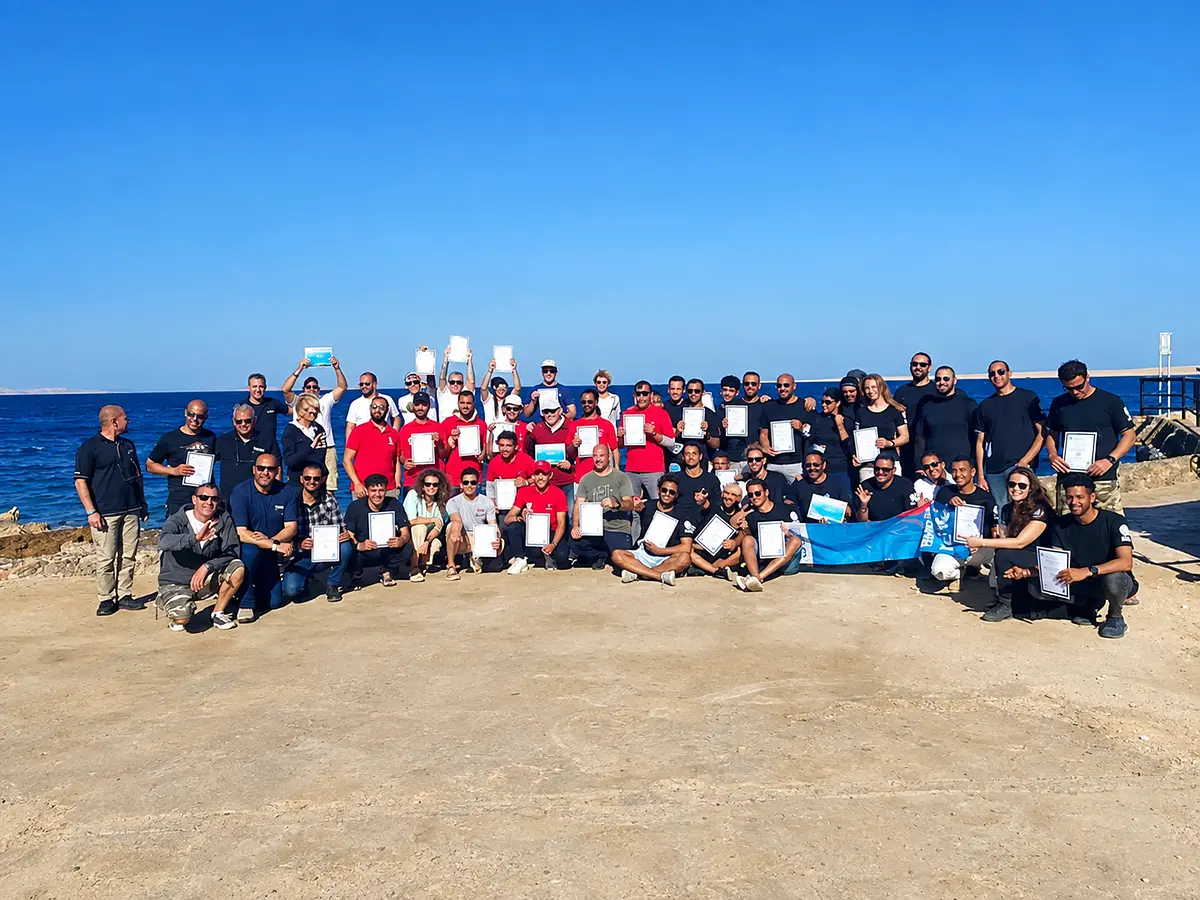
The direct route: six theory modules, two dry practical sessions, sheltered-water rescue and the open water training. In addition, experience across different diving conditions is built into the program.
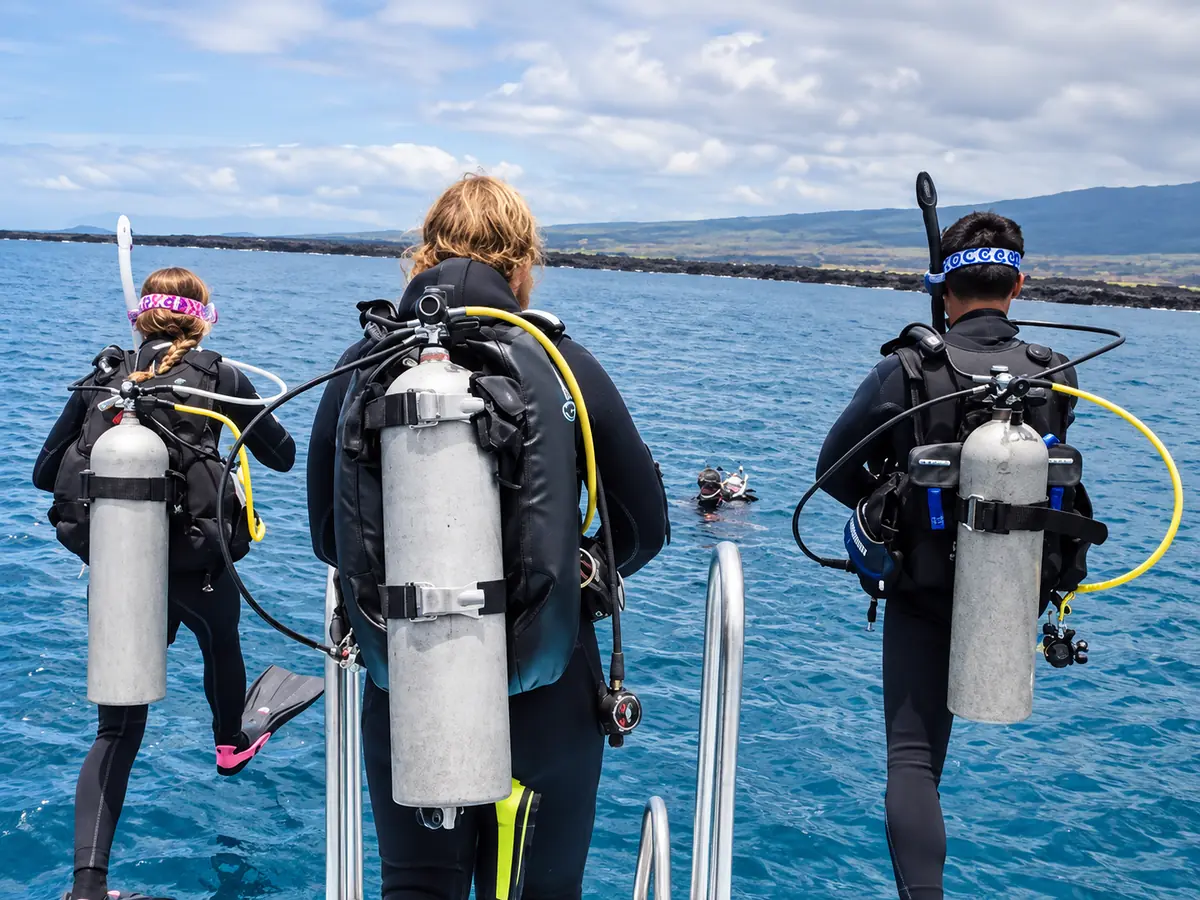
By contrast, the shorter route: four theory modules, the same dry and rescue sessions and the open water training, because part of the depth and skills work is already done.
Overall, the BSAC route runs: Ocean Diver → Advanced Ocean Diver → Sports Diver → Dive Leader. Afterward, Dive Leader teaches you to plan and lead dives and extends depth to 50 meters with decompression, while more than thirty skill development courses open up to a Sports Diver. Meanwhile, a liveaboard week is the fastest way to log the depth progression dives, and your first aid stays current alongside.
Why us
Above all, every training dive is planned around qualification, experience, gas, depth, weather, current and visibility, and a site changes whenever conditions require it.
Indeed, more than two decades of diving and liveaboard operations out of Hurghada, on every Egyptian route.
Furthermore, we do not go deep simply to complete a number. Progression depends on your skills, your comfort and the actual conditions.
Moreover, the emphasis is on skills you will use on real dives, from our own boats, on reefs we dive every day.
In addition, the €350 training price and every applicable BSAC fee are explained in writing before you confirm.
Likewise, we help you plan the whole route from Ocean Diver to Dive Leader, with BSAC or PADI steps where they fit.
Questions
The Red Sea Diving price is €350 per person. However, applicable BSAC registration, eLearning, membership, materials and certification charges are separate.
No. We charge BSAC fees separately from the €350 local training price. Therefore we confirm them in writing before your course.
The qualification includes training for mixes up to 36 percent oxygen, according to BSAC requirements. However, the €350 does not automatically include actual Nitrox fills during your Hurghada dives.
At suitable sites around Hurghada in the Egyptian Red Sea. Nevertheless, we select sites according to the training objective, your experience and the conditions, so we cannot guarantee specific sites.
Yes. BSAC provides a direct route from Ocean Diver to Sports Diver, with six theory modules and the full practical program.
Yes. Advanced Ocean Divers follow a shorter route with four theory modules, because they have already completed the relevant depth and skills training.
Possibly. Divers holding an appropriate equivalent certification from another recognized agency may enter Sports Diver training, although we check your certification and experience before confirming the program.
Twelve years. However, divers must be at least fourteen to progress beyond 20 meters after qualifying.
Yes, progressively. Completing the course alone does not qualify you to 40 meters immediately, because you must also complete and record the depth progression dives in appropriate increments.
Yes. In fact, rescue is one of the most valuable parts of the grade: self-rescue, assisting a diver, recovering an unresponsive diver and Basic Life Support.
Yes. The training includes the knowledge and skills for dives with planned decompression stops, although we never treat decompression simply as a way to stay down longer.
The next BSAC grade is Dive Leader. Meanwhile, more than thirty skill development courses open up to a qualified Sports Diver.
Send us your full name, your age, your current certification and training agency, your number of logged dives, your maximum previous depth, the date of your last dive, your arrival and departure dates, your hotel in Hurghada and your equipment requirements. Then we review your experience and confirm the appropriate program in writing, including any applicable BSAC fees. For liveaboard diving in Egypt see also redsealiveaboard.net, and read the current fitness guidance from Divers Alert Network.
Rated 4.9 out of 5 from 132 reviews on Google.
Prefer to talk? Message us on WhatsApp or call +20 105 005 6542. In fact, we answer 24 hours a day, seven days a week.
Red Sea Diving, Madares Street, Hurghada 1, Hurghada 84511, Red Sea Governorate, Egypt. Diving and training here since 2000.
This page was last reviewed by the Red Sea Diving instructor team in September 2026.
Premium Red Sea diving in Egypt. Liveaboard trips with experienced crews, comfortable vessels and 20+ years of experience.